
Brown hair with highlights is a classic for good reason: it adds dimension without a full color change. Right now, the shift is toward softer, more lived-in placements that grow out naturally, so you can stretch your salon visits a little further.
This collection of 20 Highlights in Brown Hair Ideas covers everything from warm caramel to cool ash tones, across lengths that run from collarbone to mid-back. Whether your hair is fine and needs a subtle lift or thick and wants a visible contrast, each look includes the exact technique and tone to ask for, plus the upkeep timeline so you know what you are signing up for. No surprises, just the facts.
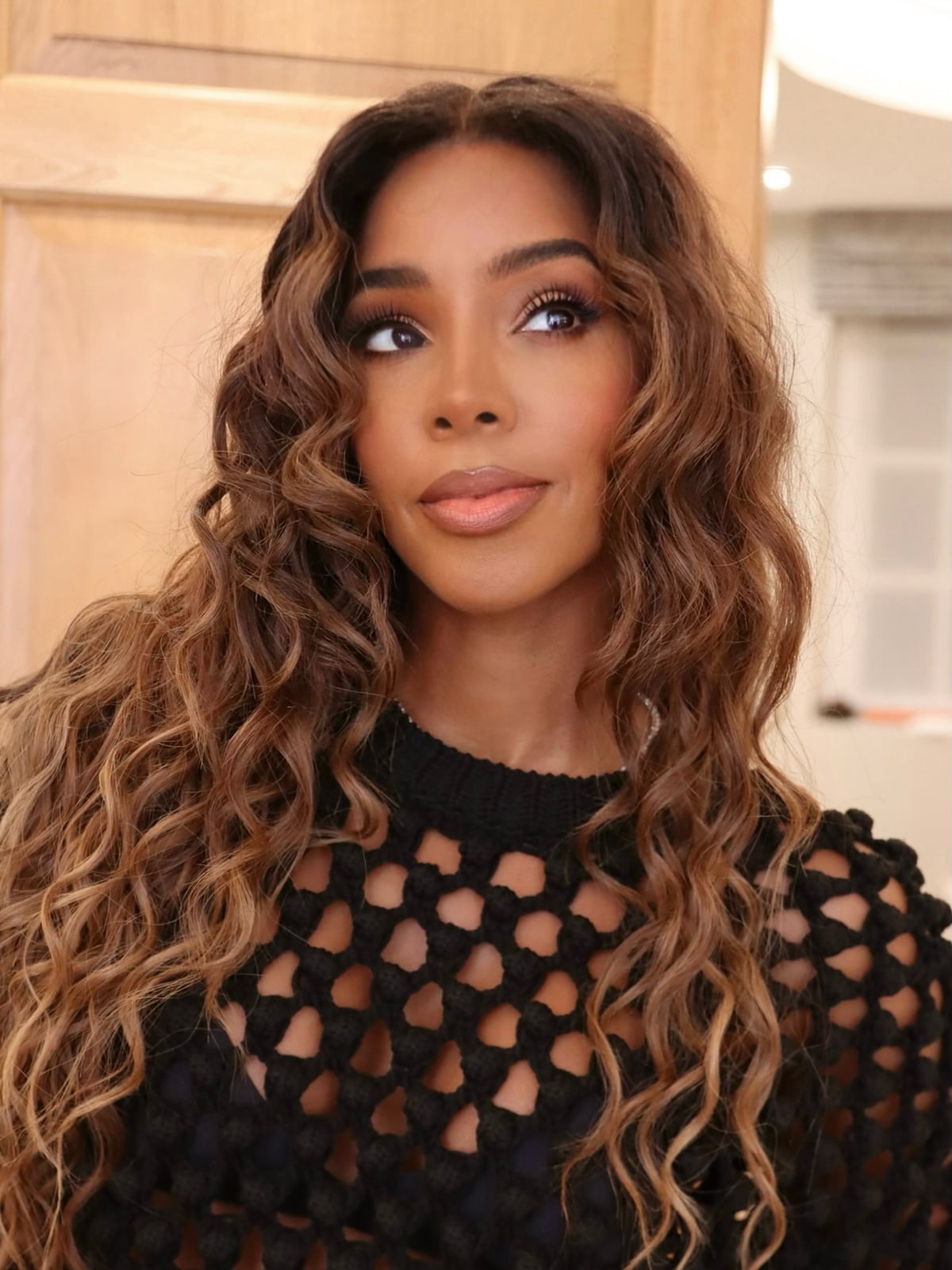
1. Mid-Back Length Warm Brown With Honey Blonde Highlights
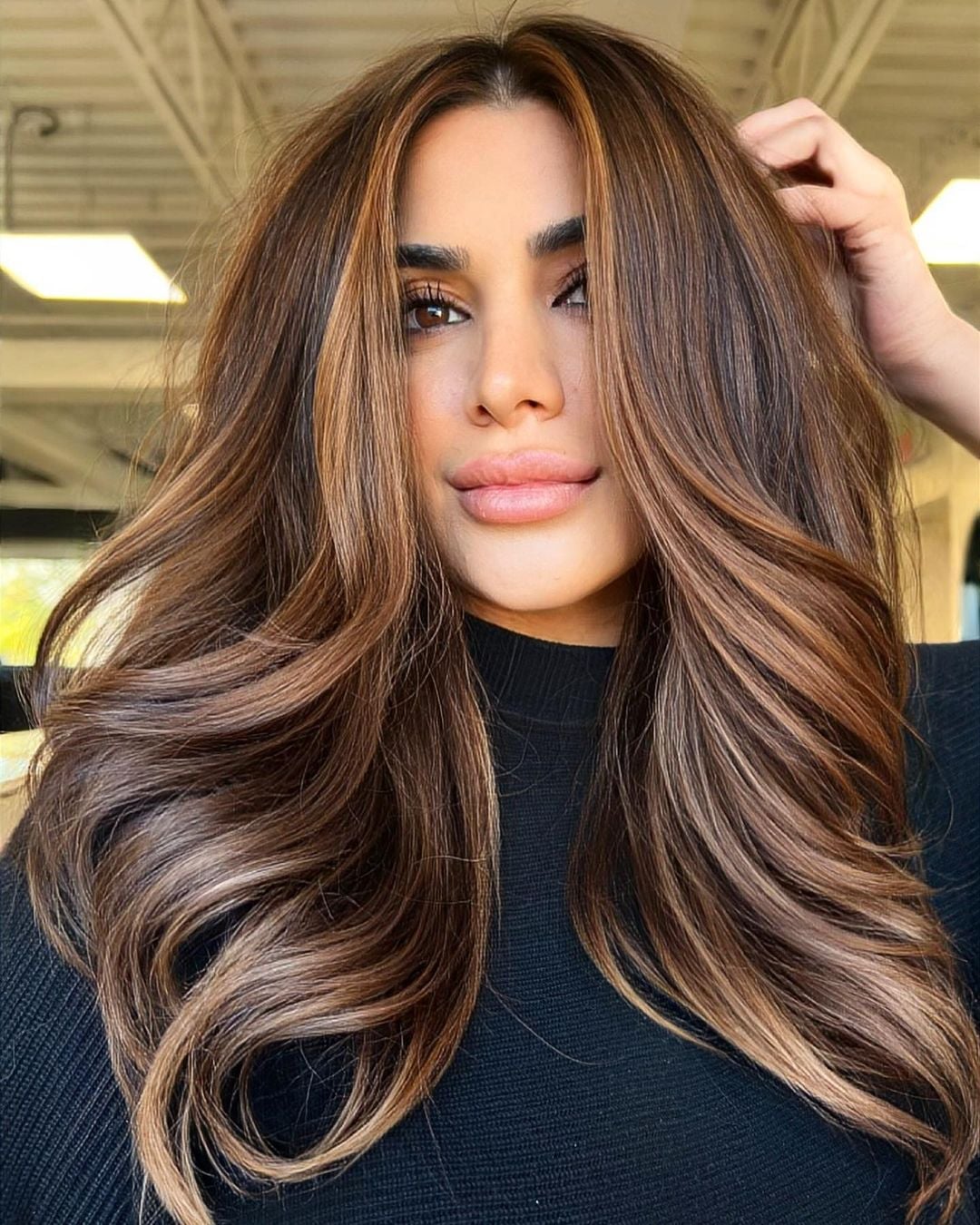
Honey blonde highlights against a warm brown base create a richer, more dimensional effect than a single process could manage on its own. The mid-back length needs thick, wavy hair to carry the volume, and the side-parted blowout gives the color enough movement to show every strand. Suits oval and heart-shaped faces best, since the width at the jaw is balanced by soft waves below. Ask your colorist for: mid-back length warm brown with honey blonde highlights, loose waves. The gloss comes from a monthly purple shampoo to keep the honey tone from turning brassy.
2. Collarbone Length Light Brown With Dimensional Highlights
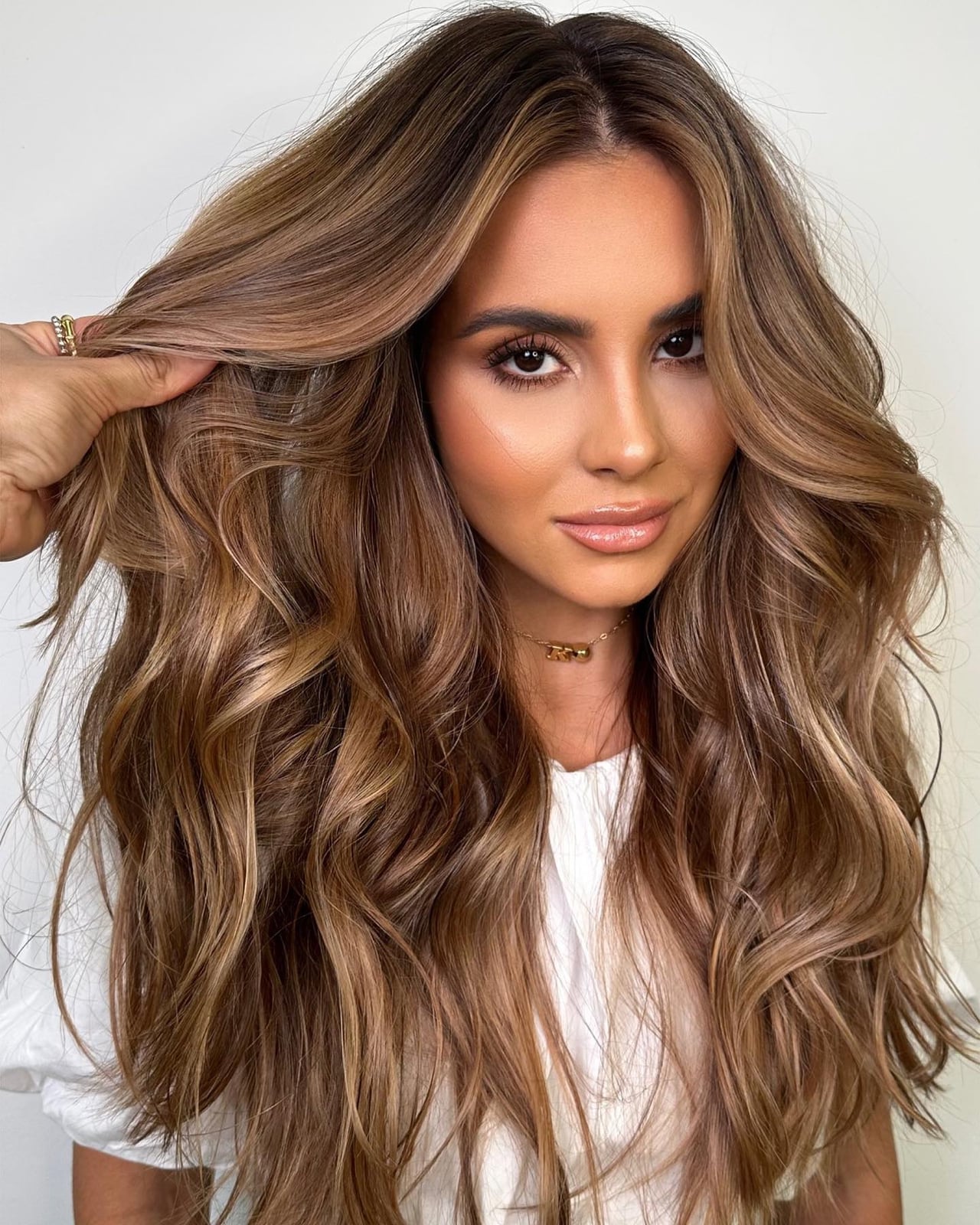
Dimensional highlights on a light brown base read like a grown-up version of all-over blonde. Rather than painting every strand the same shade, the technique spaces the lighter pieces apart, so the base color stays visible and the contrast looks intentional. The collarbone cut with subtle layers and a middle part elongates round face shapes nicely. Ask your colorist for: collarbone length light brown with dimensional blonde highlights, soft waves. A smooth blowout is all it takes to show the depth. Trim the ends every six to eight weeks to keep the shape clean.
3. Collarbone Dark Brown With Caramel Highlights And Curtain Bangs
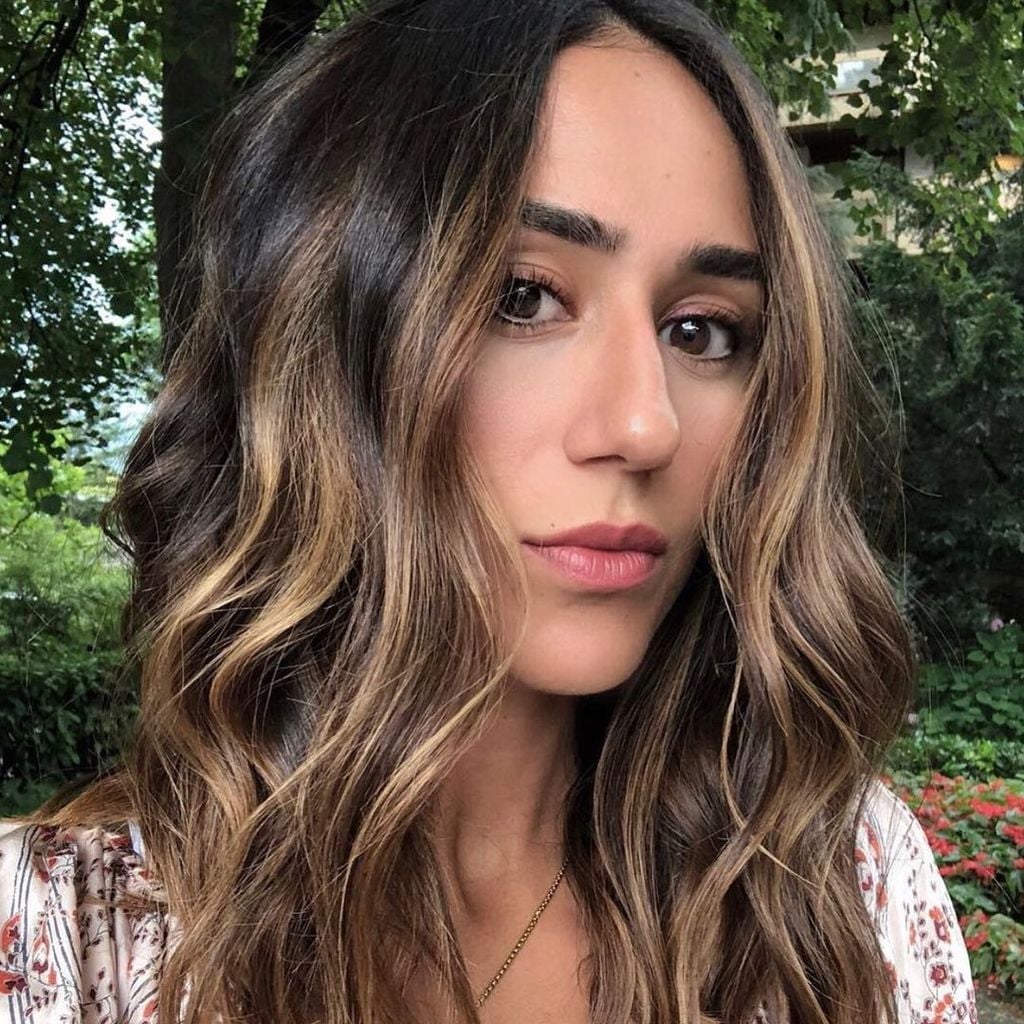
Wondering how to get caramel highlights that look deliberate? Keep them concentrated at the front and through the mid-lengths, where they contrast with a dark brown base. Curtain bangs soften the edges of square or angular faces, and the collarbone length keeps the whole thing wearable. Ask your colorist for: collarbone dark brown with caramel highlights, curtain bangs. The wavy blowout is low-effort, and a gloss treatment every 10 weeks refreshes the caramel tone without a full highlight session.
4. Collarbone Dark Brown With Face-Framing Blonde Highlights
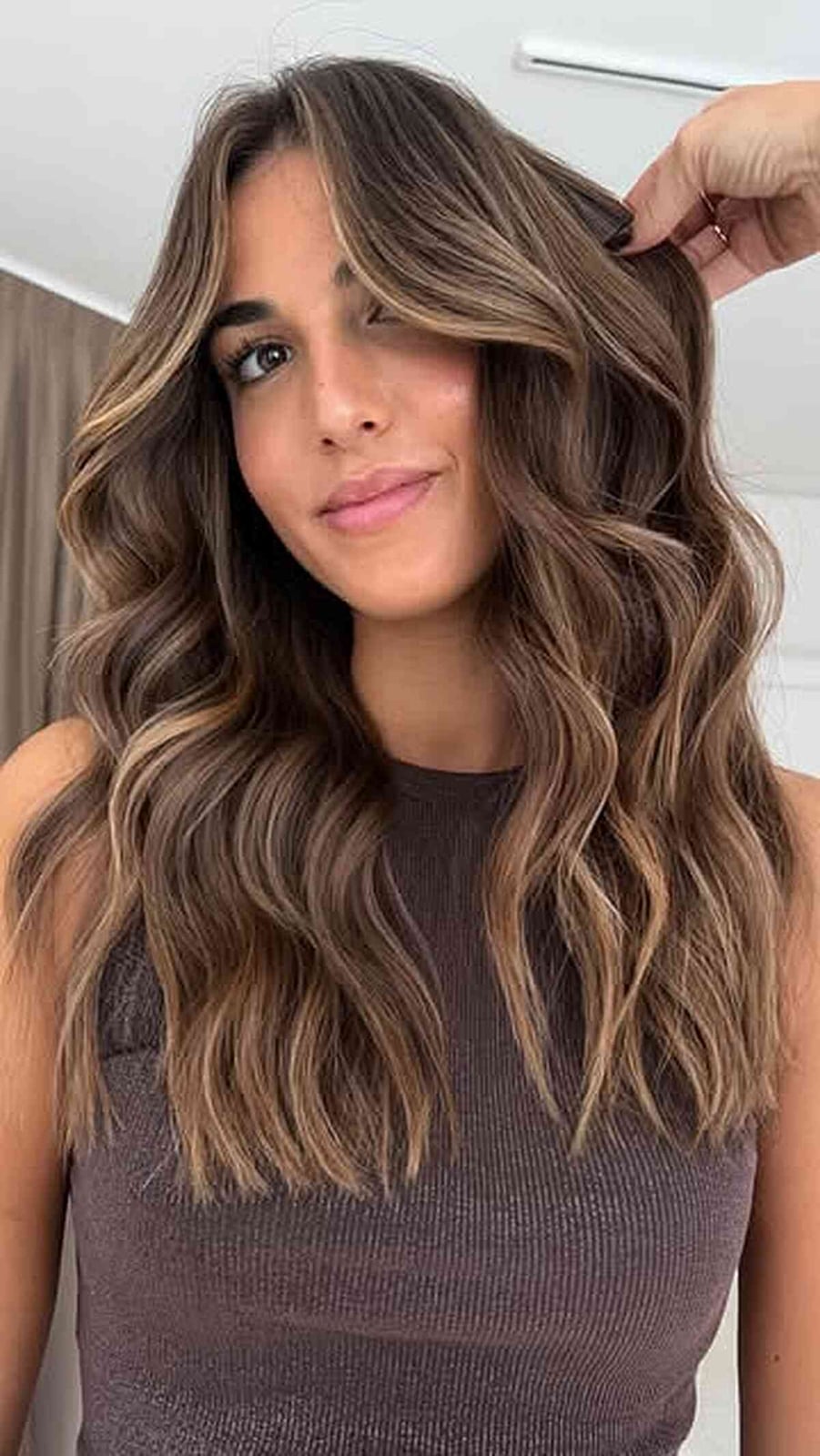
Face-framing highlights on dark brown hair work by placing the lightest pieces where the eye naturally goes first. The collarbone cut uses soft layers and curtain bangs to graduate the blonde from the front into the darker lengths, so the contrast is deliberate rather than abrupt. Oval and round faces benefit from the framing effect, since the lighter pieces draw attention upward. Ask your colorist for: collarbone dark brown with face-framing blonde highlights, curtain bangs. Style in loose waves to soften the transition. The bangs need a trim every four to six weeks.
5. Mid-Back Brown With Face-Framing Blonde Highlights And Straight Style
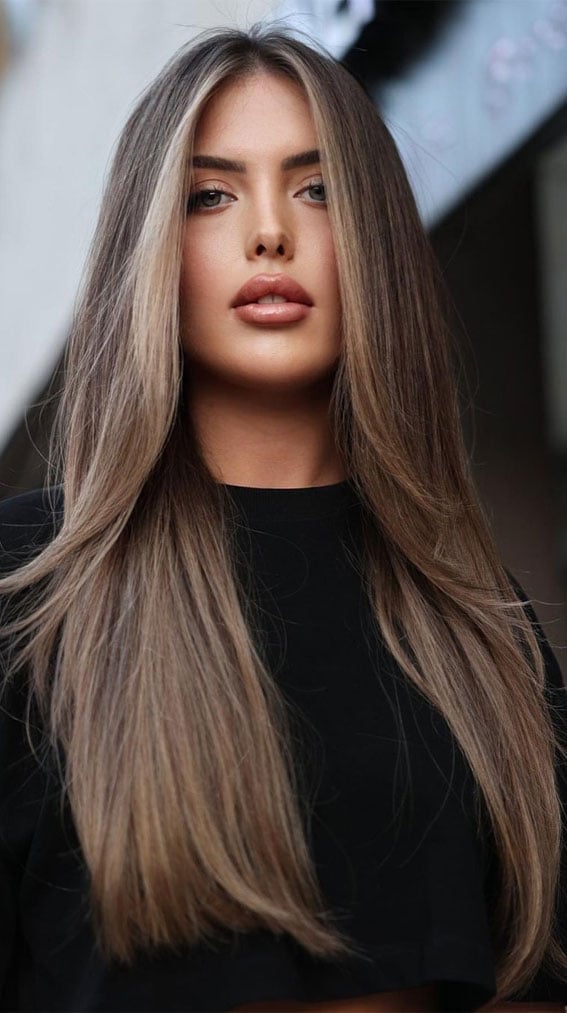
Blonde face-framing highlights on a brown base look their most polished when the hair is straight. The mid-back length gives the color enough canvas to travel down, and the curtain bangs keep the front from feeling heavy. Thick hair carries the straight style well, but the real work is in the upkeep.
The blonde pieces are the first to show roots, so plan a root touch-up every six to eight weeks. A flat iron gives the glossy finish the photo shows, and a heat protectant helps keep the highlights from yellowing from heat damage. Ask your colorist for: mid-back brown with face-framing blonde highlights, curtain bangs, straight style. The grow-out stays contained because the face-framing placement is limited to the front.
6. Collarbone Medium Brown With Face-Framing Highlights
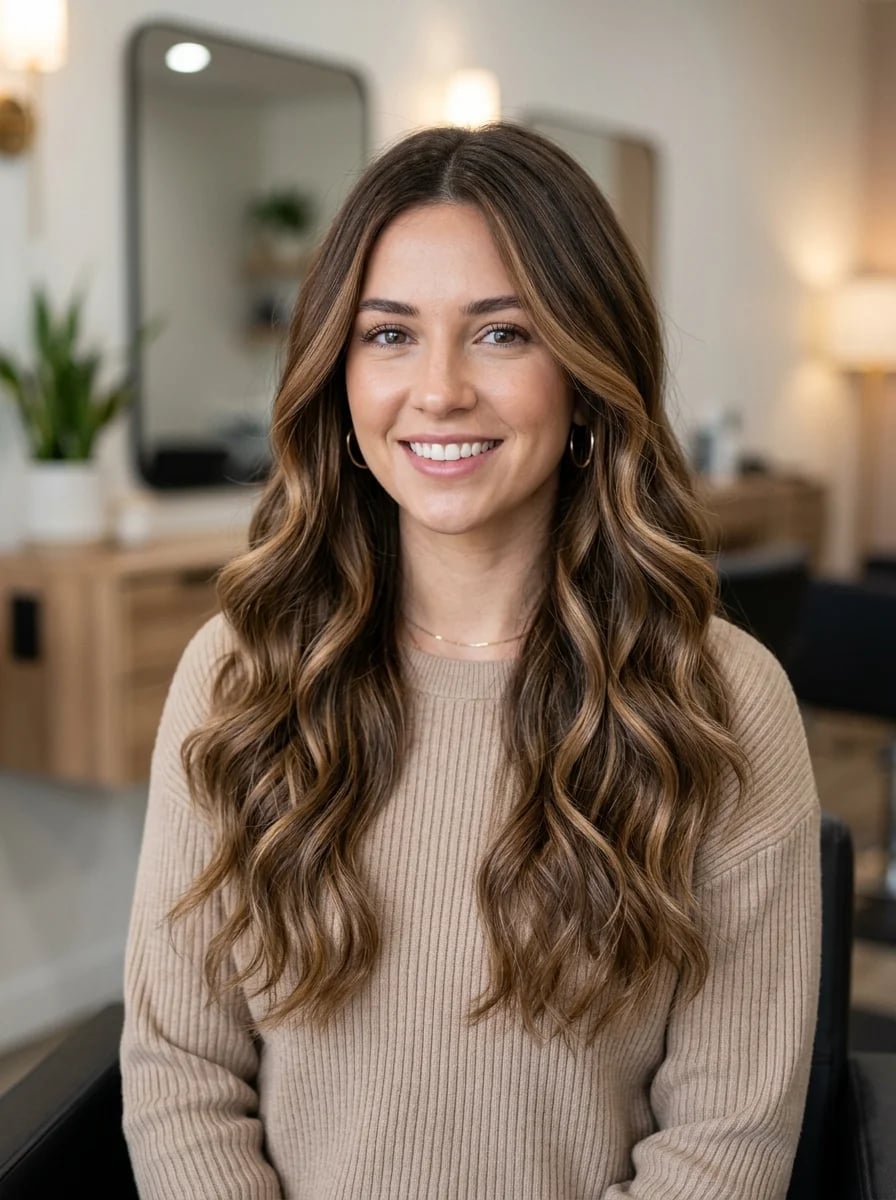
Can a highlight placement do double duty? Yes, when it carves out the shape of the haircut itself. The medium brown base grounds the look, while the strategically placed blonde pieces act like built-in contouring along the front sections. Ask your colorist for: collarbone medium brown with face-framing highlights, loose waves. This approach works well for thick, wavy hair of collarbone length; the face-framing placement suits most face shapes because it can be adjusted to hit the most flattering zone. A diffuser on low heat sets the wave pattern without disturbing the color placement.
7. Collarbone Medium Brown With Honey Blonde Highlights
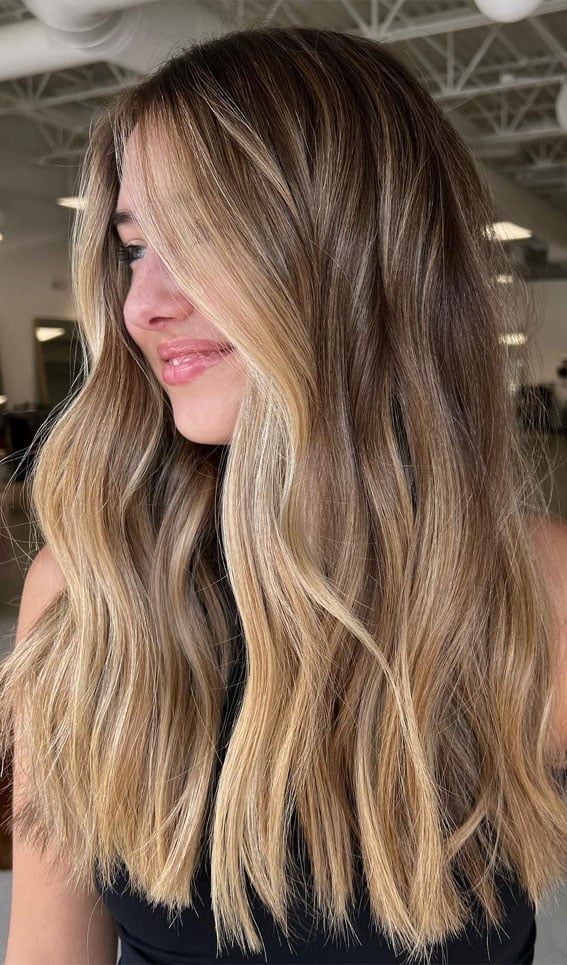
The design here is deceptively simple: finely woven honey blonde ribbons placed throughout the medium brown base, so the warmth reads as a natural sun-kissed shift. Ask your colorist for: collarbone medium brown with honey blonde highlights, loose waves. The fine weaving means the grow-out stays soft for weeks, and the honey tone introduces warmth without tipping into brass. A gloss treatment every eight to ten weeks keeps the honey tone from oxidizing toward orange.
8. Shoulder Length Ash Brown With Blonde Highlights
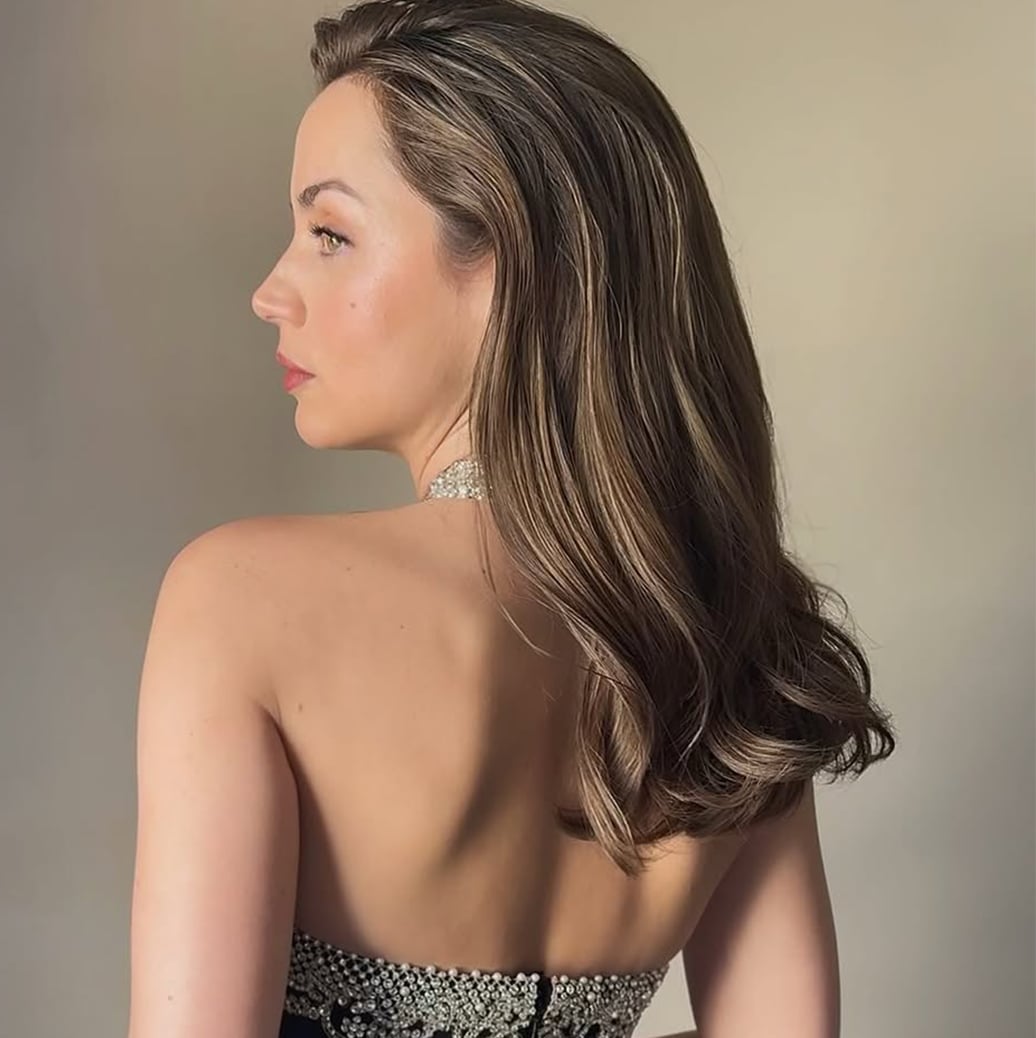
How do you ask for cool tones without ending up gray? Start with the base. Shoulder-length ash brown forms the backdrop, and the lighter blonde highlights are woven through the mid-lengths and ends. Ask your colorist for: shoulder length ash brown with blonde highlights, face-framing layers. The face-framing layers create a visible contrast between the cool brown and the blonde. A toning appointment every six to eight weeks maintains the ash tone and prevents the blonde from warming up.
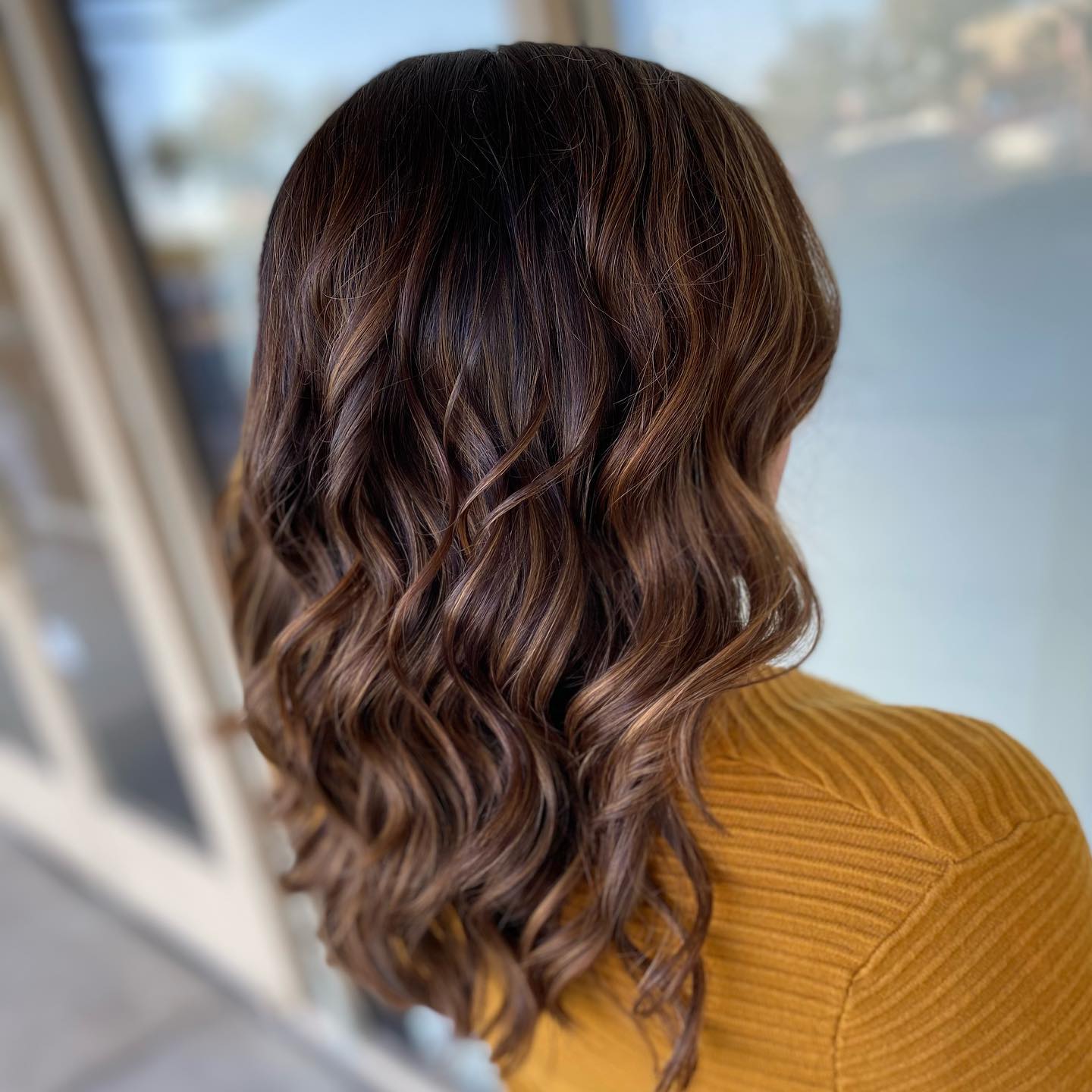
9. Shoulder Length Dark Brown Lob With Caramel Highlights
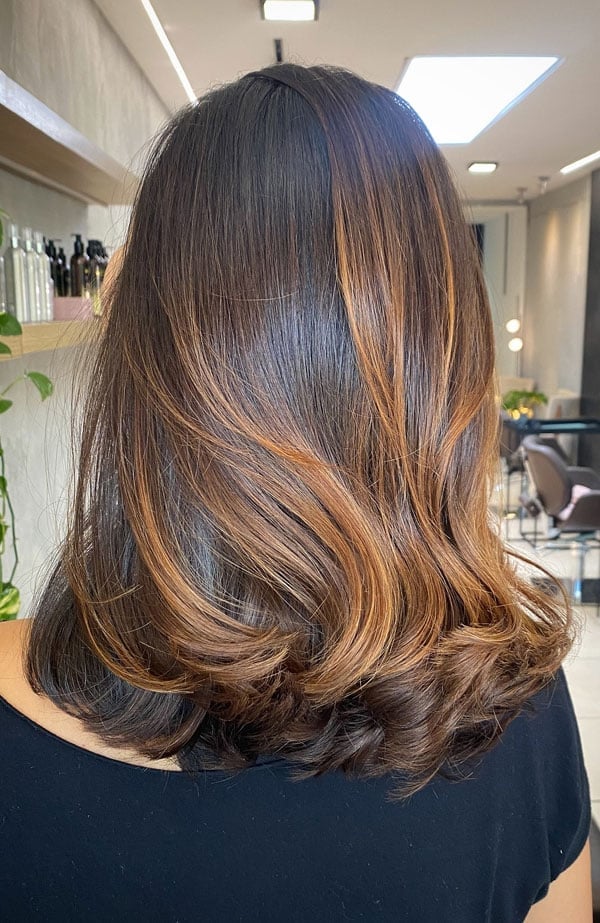
Caramel highlights on a dark brown lob read differently from the front than the back, and the back view tells the real story. The warm caramel is concentrated on the mid-lengths and ends, leaving the root area dark so the grow-out is low-maintenance. Ask your colorist for: shoulder length dark brown lob with warm caramel highlights, loose waves. Focus heat styling on the mid-lengths and ends to keep the wave pattern in the highlighted sections. A trim every eight to ten weeks keeps the lob shape clean.
10. Mid-Back Honey Brown With Curtain Bangs And Blonde Highlights
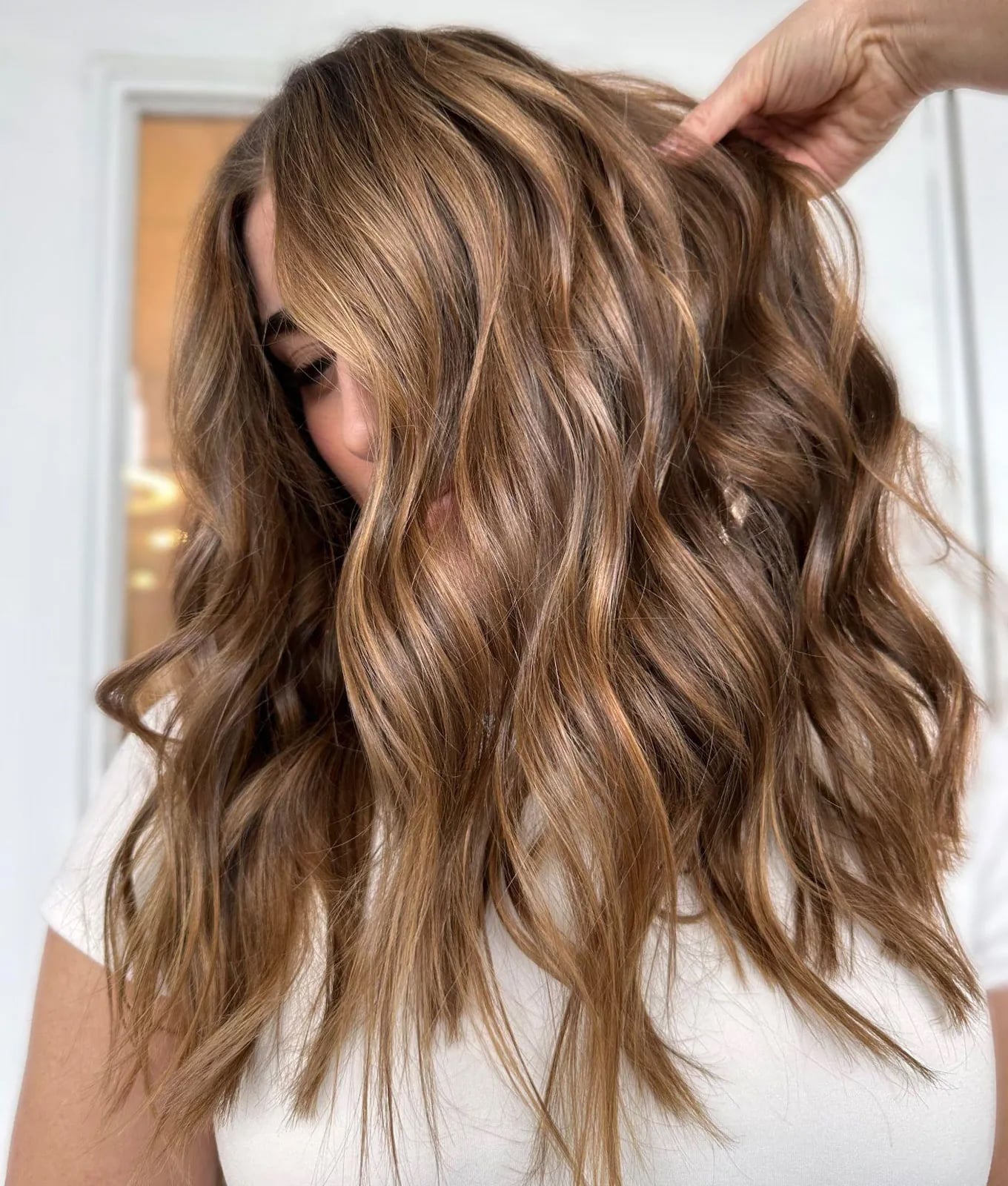
Curtain bangs and a middle part need the right highlight placement to work together. Here, the finely woven blonde highlights are distributed throughout the mid-back honey brown base, with the curtain bangs picking up enough of the lighter shade to frame the face as one continuous color. Ask your colorist for: mid-back honey brown with curtain bangs and blonde highlights. The honey base suits fall, when warm brown tones feel seasonal. Blow-dry the bangs with a round brush to set the curtain shape.
11. Mid-Back Medium Brown With Caramel And Blonde, Close-Up Take
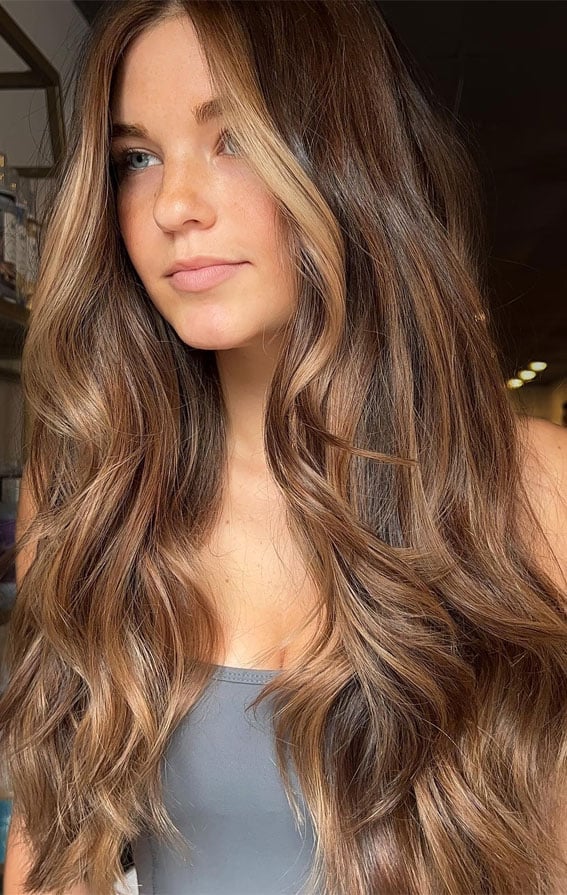
The secret to this blend is placement: caramel and blonde highlights are woven through a medium brown base, but the brightest pieces sit at the front, framing the face. That contrast does the heavy visual work, so the rest of the waves can stay softer and lower-contrast. It is a design that reads clearly from a few feet away.
The technique relies on a colorist painting the face-framing sections with a lighter hand and letting the back carry more caramel than blonde. Thick, wavy hair holds the dimension without looking striped. Ask your colorist for: mid-back medium brown with caramel and blonde face-framing highlights. A gloss on those front pieces every eight weeks keeps them bright, and a round brush on the ends refreshes the loose wave.
12. Mid-Back Dark Brown With Caramel Highlights And Side-Swept Bangs
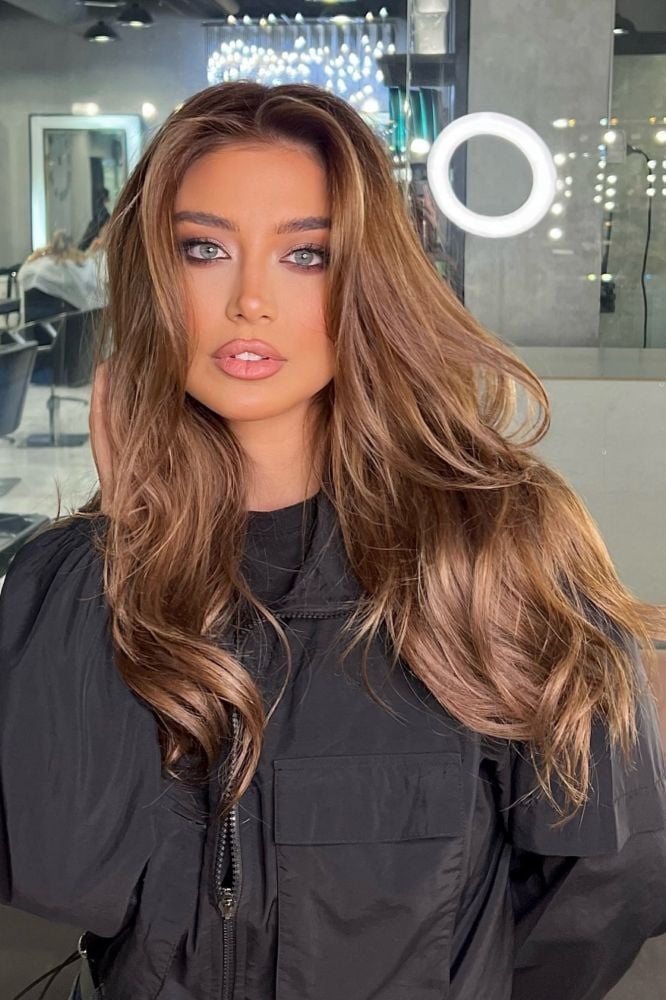
Wondering how to ask for caramel that reads soft rather than stripey on a dark brown base? The phrasing matters more than the shade. Request a weave of caramel highlights throughout the mid-back length, and be specific about the bangs: side-swept, not curtain, so they sweep across the forehead instead of parting down the middle. On thick, wavy hair, this combination adds warmth without shifting the base too far from your natural color. Ask your colorist for: mid-back dark brown with caramel highlights, side-swept bangs. Loose waves are the right finish, and the bangs will need a trim every four to six weeks to keep their shape.
13. Mid-Back Medium Brown With Subtle Blonde Highlights
Subtle highlights are the quieter cousin of the bold, chunky kind. On a medium brown base, fine blonde pieces are dispersed through the mid-back length, adding dimension without announcing themselves. The effect is a lift in tone, not a change in color. Thick, wavy hair carries this best, since the waves catch the lighter strands at different angles. If you have fine hair, the subtle approach still works, but you may want slightly wider sections so the dimension is not lost.
A blowout finish is the point here: glossy, smooth waves with a middle parting. Ask your colorist for: mid-back medium brown with subtle blonde highlights. The low-lift toner keeps the blonde from going brassy, and a toning appointment every ten to twelve weeks maintains the muted effect. Without that, the highlights drift warmer than the base, which is a different look entirely.
14. Mid-Back Dark Brown With Face-Framing Blonde Highlights, Close-Up Take
The design is built around a single decision: the blonde stops at the cheekbones. On dark brown hair, face-framing highlights are painted only around the front sections, leaving the back in its deep base color. This concentrates the brightness where it matters, and the mid-back length keeps the overall effect balanced. A middle parting and a blowout show off the glossy finish, with the waves moving the lighter pieces around the face.
This is a salon technique, not a DIY one. The colorist has to judge how high to place the highlights and how much blonde to lift, which is hard to replicate at home with a box. Ask your colorist for: mid-back dark brown with face-framing blonde highlights. Root touch-ups every six to eight weeks keep the line clean, and a gloss in between visits refreshes the shine.
15. Mid-Back Ash Brown With Lighter Ash Highlights
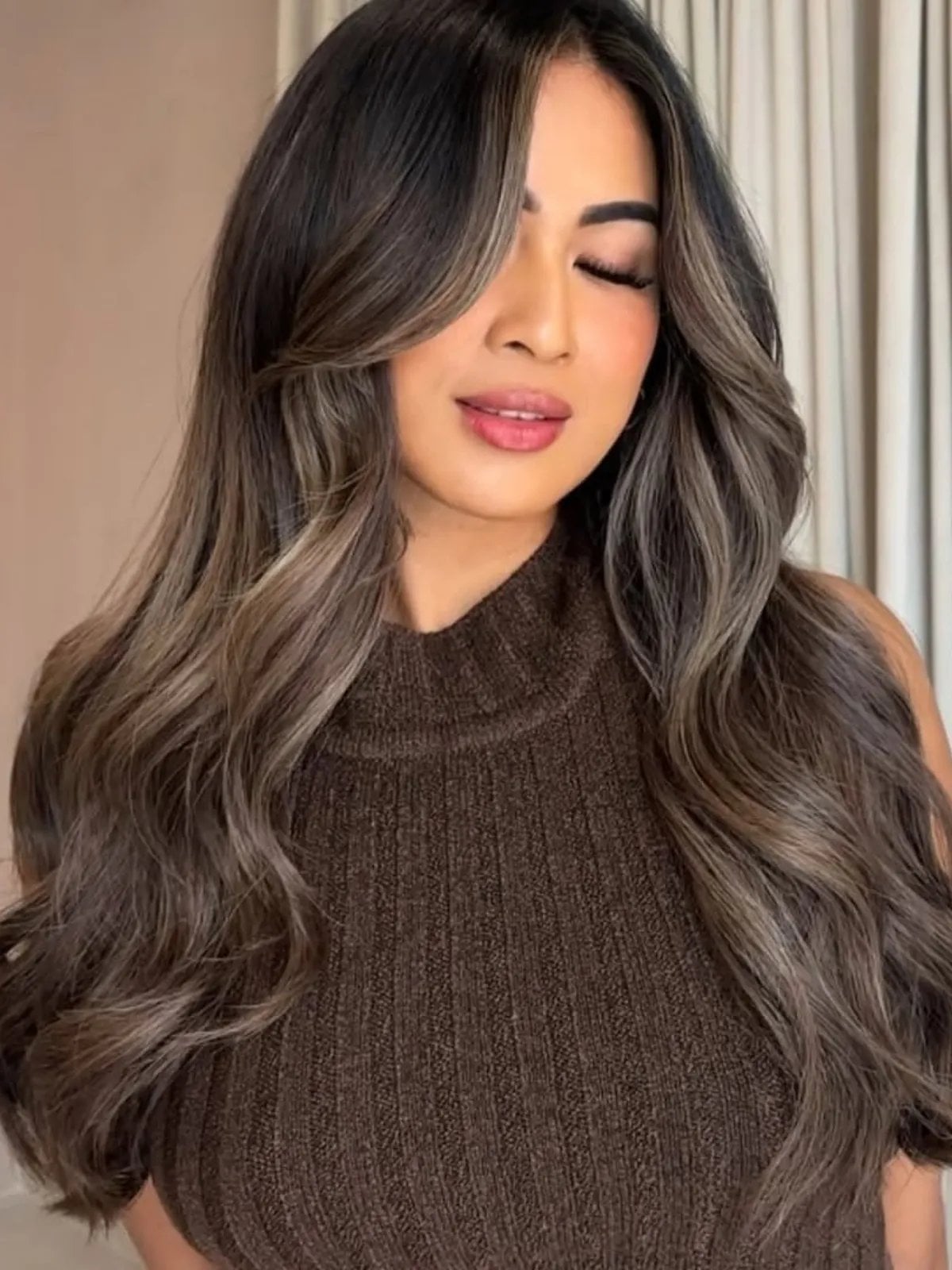
Ash brown with lighter ash highlights is a cool-toned gamble: a muted, smoky dimension, but the risk is brassiness if the toner fades. The highlights here are finely dispersed, so the effect reads as texture rather than contrast. Thick, wavy hair, air-dried and left natural, suits this approach, since the waves show off the subtle shifts in tone. A middle parting and no bangs keep the focus on the color blend.
Ash tones need a silver shampoo to stay cool, and a toning appointment every six to eight weeks is realistic. Ask your colorist for: mid-back ash brown with lighter ash highlights. Skip the home toner; uneven application is how cool browns turn orange.
16. Mid-Back Medium Brown With Ash Blonde Face-Framing Highlights, Wavy
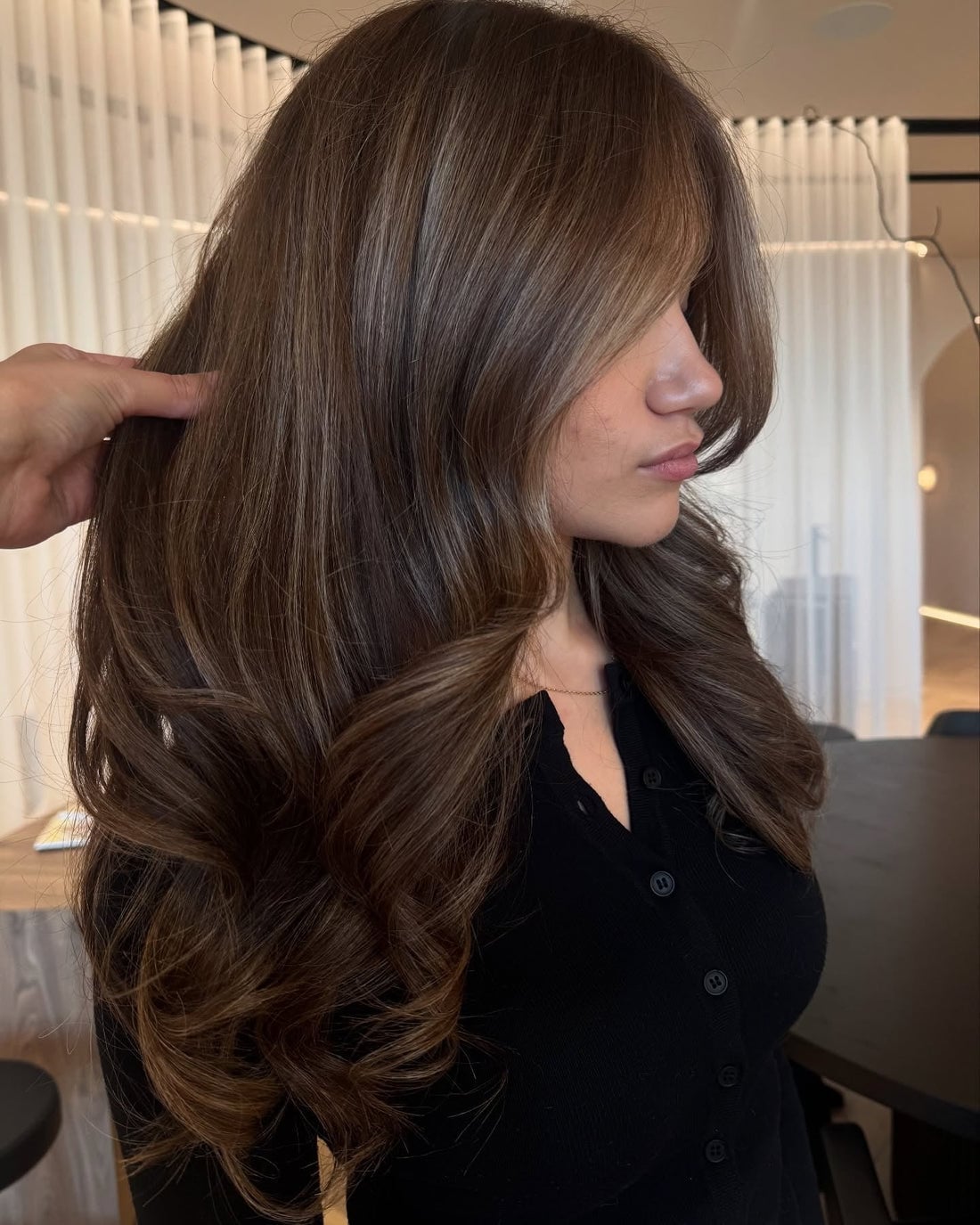
Does ash blonde belong anywhere near a medium brown base? Yes, provided the pieces frame the face and the base stays warm enough to keep the contrast from going flat. Thick, wavy hair at mid-back length carries this best: the loose waves break up the ash blonde face-framing highlights so they create dimension, not stripes. A side parting and soft layers push the lighter pieces forward without turning them into a solid block of color.
Angular faces get the most from this placement, since the lighter strands sit where a jawline curves and soften the line. Round and long faces can wear it too, though the effect is less specific. Ask your colorist for: mid-back medium brown with ash blonde face-framing highlights, loose waves. Ash tones drift warm within a few weeks, so a toning appointment every six to eight weeks keeps the cool cast intact. Style with a round brush on the front sections and let the rest dry loose.
17. Mid-Back Dark Brown With Honey Blonde Highlights
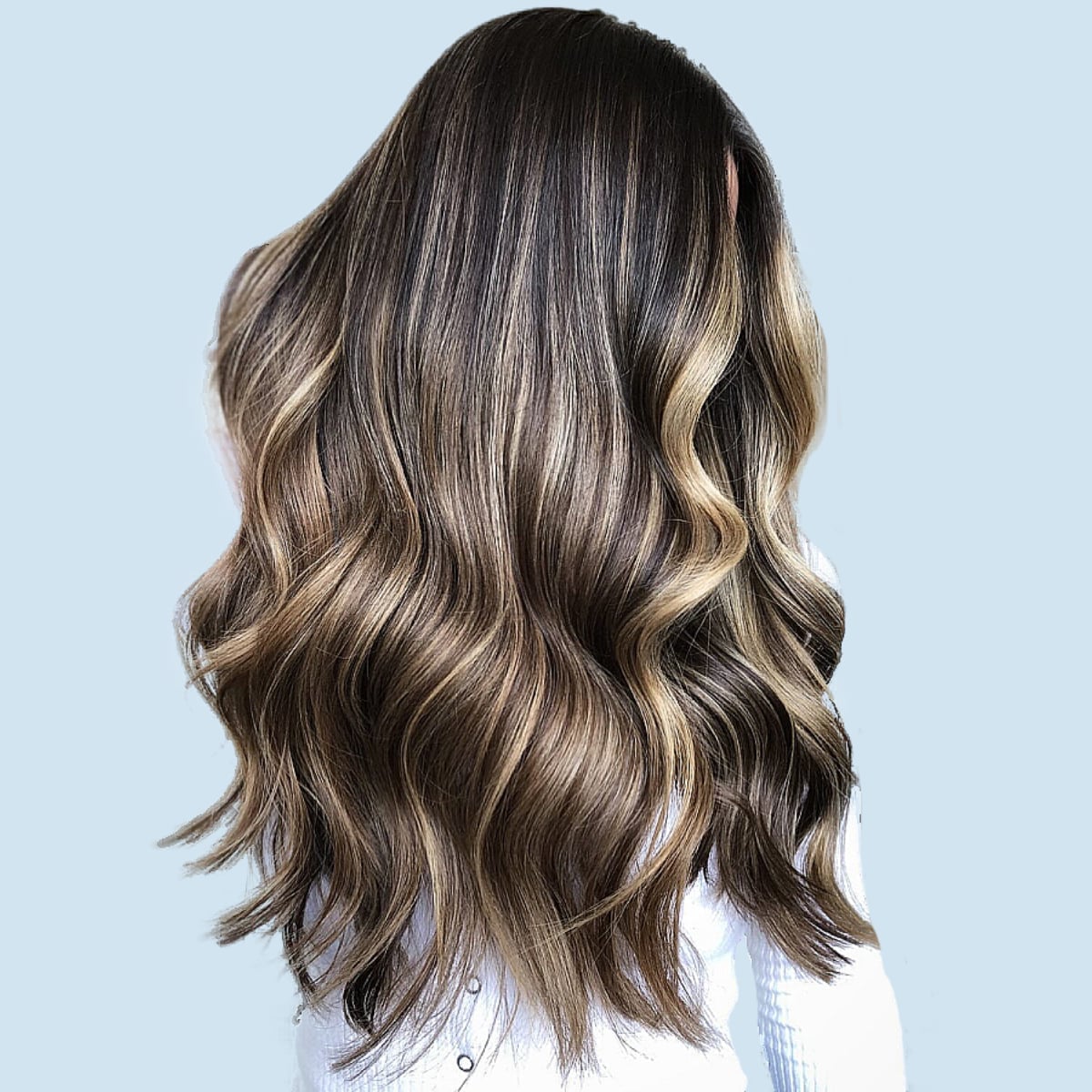
Even distribution is what makes these honey blonde highlights work. The light strands sit through the ends rather than clustering at the crown, so the dark brown base keeps its depth while the surface catches warmth. On thick, wavy hair at mid-back length, a wavy blowout separates each piece and shows the full spread of color.
The grow-out pattern is the part to plan around. Honey blonde lifts several levels above a dark brown base, which means the regrowth line shows as a visible band once roots reach about half an inch. A root shadow blended at the appointment softens that transition and buys roughly six weeks before the line becomes obvious. Toning every four to six weeks keeps the honey from sliding toward brass, and a trim every eight to ten weeks stops wavy ends from dulling the finish. Ask your colorist for: mid-back dark brown with honey blonde highlights, soft waves.
18. Mid-Back Brown With Blonde Highlights Back View
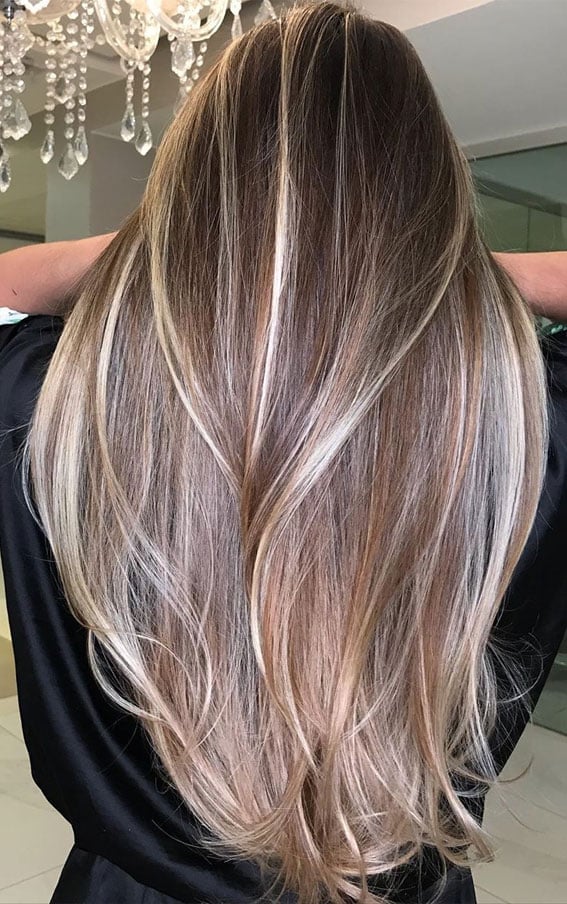
Placement is the whole story here: the blonde highlights are spaced through the layers, so the color holds up from behind as well as from the front. On thick, wavy, mid-back length hair, an air-dried finish lets the natural wave do the separating, and the brown base keeps enough depth that the blonde never takes over. Ask your colorist for: mid-back brown with blonde highlights, natural wavy texture. Highlights this spread out need a touch-up every eight to ten weeks to stay fresh.
19. Mid-Back Dark Brown With Lighter Brown Highlights, Wavy
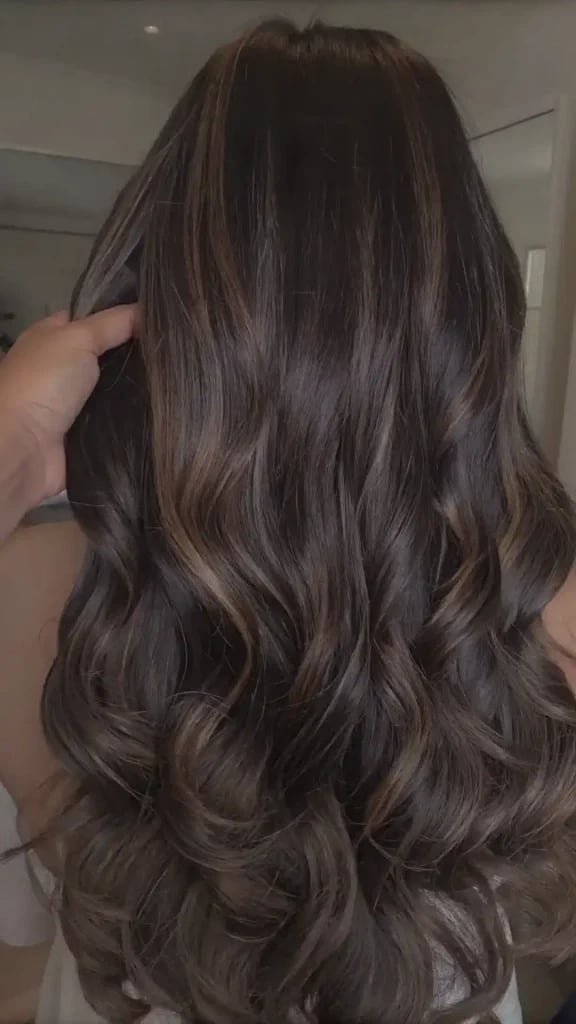
Set this next to a dark brown base with blonde highlights and the restraint is clear. Lighter brown highlights sit only a shade or two above the base, so the contrast stays low and the finish looks like depth, not color. Thick, wavy hair at mid-back length is the right canvas: loose wavy curls open the cuticle enough to show the variation, and layers give the light somewhere to land. If blonde feels like too much upkeep or too sharp a line against dark roots, this is the version to book.
Blonde on a dark base demands regular toning and a root shadow to stay polished. Lighter brown lifts less, so the regrowth line is gentler and the tone drifts more slowly between appointments. It suits anyone who wants movement in the hair without an obvious highlight. Ask your colorist for: mid-back dark brown with subtle lighter brown highlights, loose waves. A wavy blowout with a round brush at the roots gives the volume the dimension needs, and a trim every ten to twelve weeks keeps the ends from going stringy.
20. Mid-Back Dark Brown With Ash Blonde Highlights, Wavy
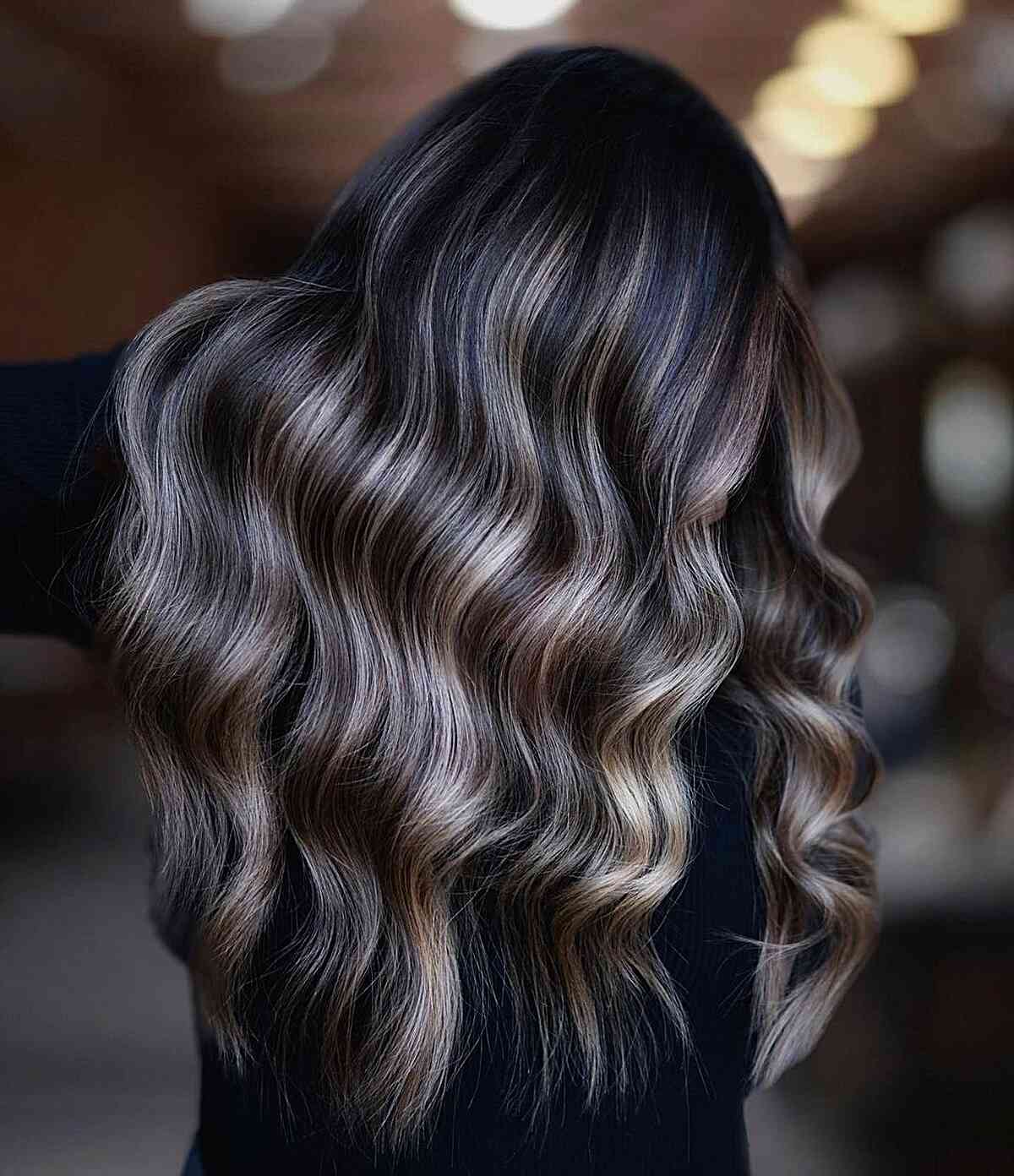
What do you actually say at the salon to get ash blonde highlights that stay ash? Start with the base: dark brown, mid-back length, thick and wavy, cut in layers. Then be specific about the tone. Ash blonde is cool, and on a dark brown base it needs to be lifted cleanly or it turns muddy. Ask your colorist for: mid-back dark brown with ash blonde highlights, loose waves. Say the word ash twice if you have to, and ask for a cool toner at the end of the service.
A wavy blowout gives the highlights room to show through the layers, and the volume keeps the contrast from looking painted on. Ash tones are the first to go warm, so a silver shampoo once or twice a week between appointments protects the color. Expect a toner refresh every four to six weeks to hold the cool cast, with a trim every eight to ten weeks to keep wavy ends from dragging the shape down.
21. Final Thoughts
Fine hair benefits from a few face-framing pieces rather than all-over highlights. If your base is very dark, warm caramel tones blend more softly than a stark blonde. Discuss your root shadow and toning schedule with your colorist before you start. Find your perfect brown hair highlight match.
- Schedule salon toning appointments every 6-8 weeks to maintain highlight vibrancy.
- Use color-safe shampoo and conditioner to prevent fading.
- Incorporate a weekly deep conditioning treatment to keep highlighted hair hydrated.
- Protect hair from heat styling with a thermal protectant spray.
- Trim split ends every 10-12 weeks to maintain overall hair health.

