
Hair length is the backbone of any haircut. A shift of a few inches changes everything: how the weight falls, how the layers move, how a fringe behaves. The current run of cuts leans into soft face-framing layers and curtain bangs, often paired with lived-in color that grows out gracefully instead of announcing itself.
These 20 Length Hair ideas span sharp collarbone bobs to flowing mid-back cuts, with textures from sleek blowouts to air-dried waves. Fine hair that falls flat gets a density-preserving blunt line. Thick hair that feels heavy finds release through long layers. Bangs appear, disappear and return, tailored to face shape and styling tolerance. Every option is built for real life, not a single photo shoot.
1. Mid-Back Length Voluminous Blowout
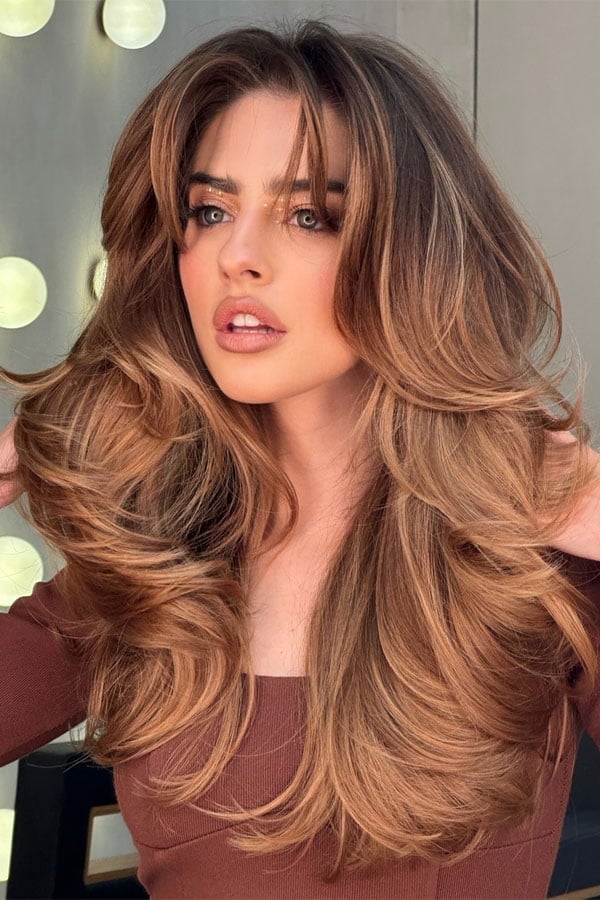
The layers start well below the chin and land at mid-back, so the volume sits around the shoulders instead of collapsing at the crown. A middle parting feeds into soft curtain bangs that break up the width across the forehead. Thick, wavy hair is the raw material here: the natural bend does half the work, and the layered cut gives the blowout somewhere to go.
This one suits square and oval faces, where curtain bangs cut the angles and keep the length from dragging the whole shape down. Fine hair should pass, since the same cut goes limp without density behind it. Ask your stylist for: mid-back length with soft curtain bangs, voluminous blowout finish. At home, use a large round brush and lift the roots as you go, then set the ends on cool. Book a trim every eight to ten weeks to keep the layers from growing into a heavy curtain.
2. Thick Wavy Blonde Mid-Back Blowout
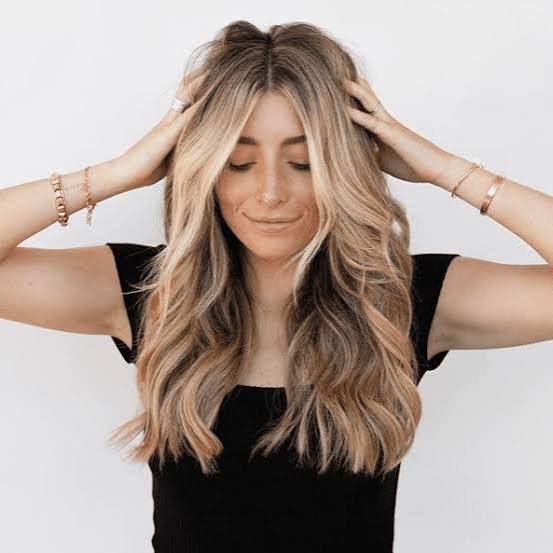
Compare this with the curtain-bang version and the upkeep differs, not the impact. No bangs means no forehead trims between appointments, and the middle parting runs clean from hairline to mid-back. The blonde base carries a root shadow, so the regrowth line stays soft for weeks instead of announcing itself. Layers through the lengths give thick, wavy texture room to move, and the voluminous blowout finish turns that texture into body rather than bulk.
This cut suits thick, wavy hair most directly, though finer textures can borrow the shape if they build volume at the root first. Ask your stylist for: mid-back length, voluminous blowout, blonde with root shadow. A blunt perimeter with fewer layers holds its line longer and asks less of your mornings. The layered version rewards anyone willing to style it: mousse at the roots, a round brush, and a trim every ten to twelve weeks.
3. Mid-Back Dark Brown With Face-Framing Layers
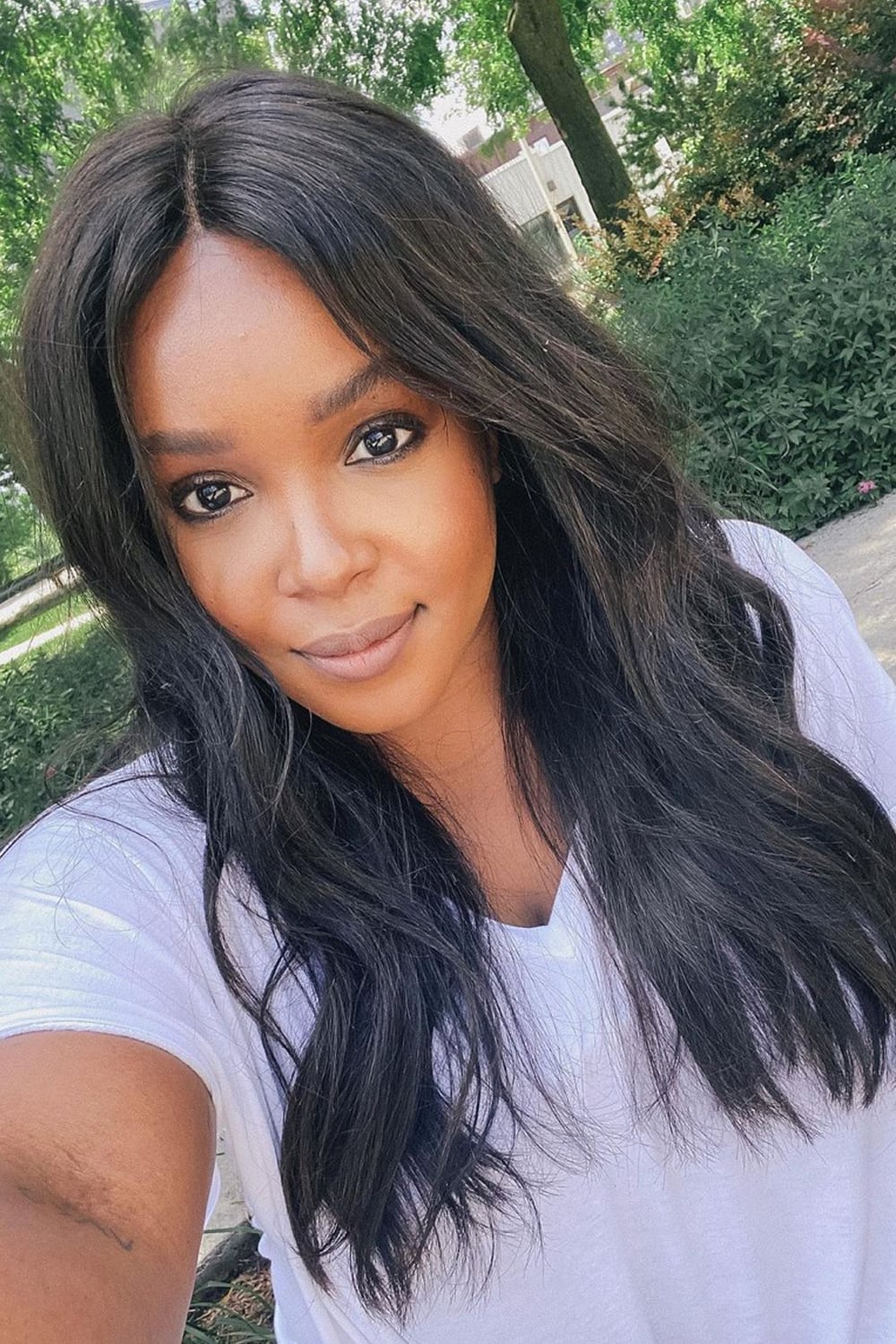
Wondering how to get layers that actually frame something? The trick is placement, not quantity. Ask for the shortest layer to start at the cheekbone, then blend downward so nothing steps out at mid-back. On thick, wavy hair, soft curtain bangs keep the front from reading as a solid block, and subtle highlights in a dark brown base give the layers a visible edge.
Ask your stylist for: mid-back length, soft face-framing layers, loose waves. Bring the terms in this order and the cut lands where you want it.
- Shortest layer at the cheekbone, blended down
- Curtain bangs that sweep off a middle parting
- Loose waves as the finished shape
4. Mid-Back Wispy Bangs And Balayage
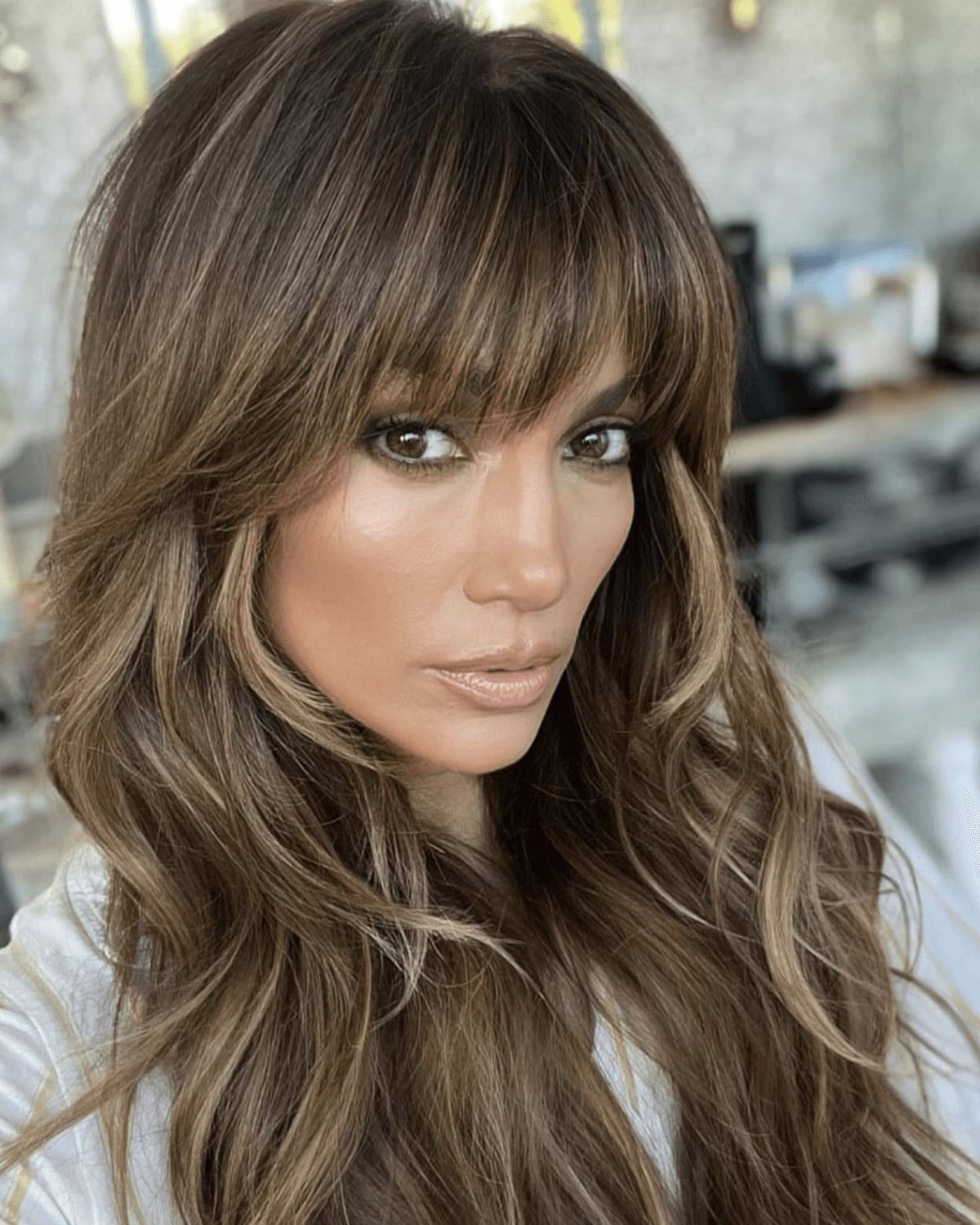
Wispy bangs are the highest-maintenance inch of this entire cut, and the mid-back length is the easiest part. The fringe sits light across the forehead with visible gaps, which is what keeps it from reading as a heavy block on medium-density wavy hair. Long layers through the lengths let the loose waves move, and balayage highlights run through a brown base without a hard line anywhere.
Round faces get softness from the wispy fringe, and medium density is the sweet spot: too fine and the bangs go stringy by lunch, too thick and they lose the airiness. Ask your stylist for: mid-back length, wispy bangs, balayage highlights. Plan on a bang trim every four to six weeks, since wispy ends lose their shape faster than a full fringe. A texturizing spray through the lengths gives the waves a lived-in finish, and the layers need a full cut every ten to twelve weeks to stay light.
5. Mid-Back Honey Blonde With Curtain Bangs
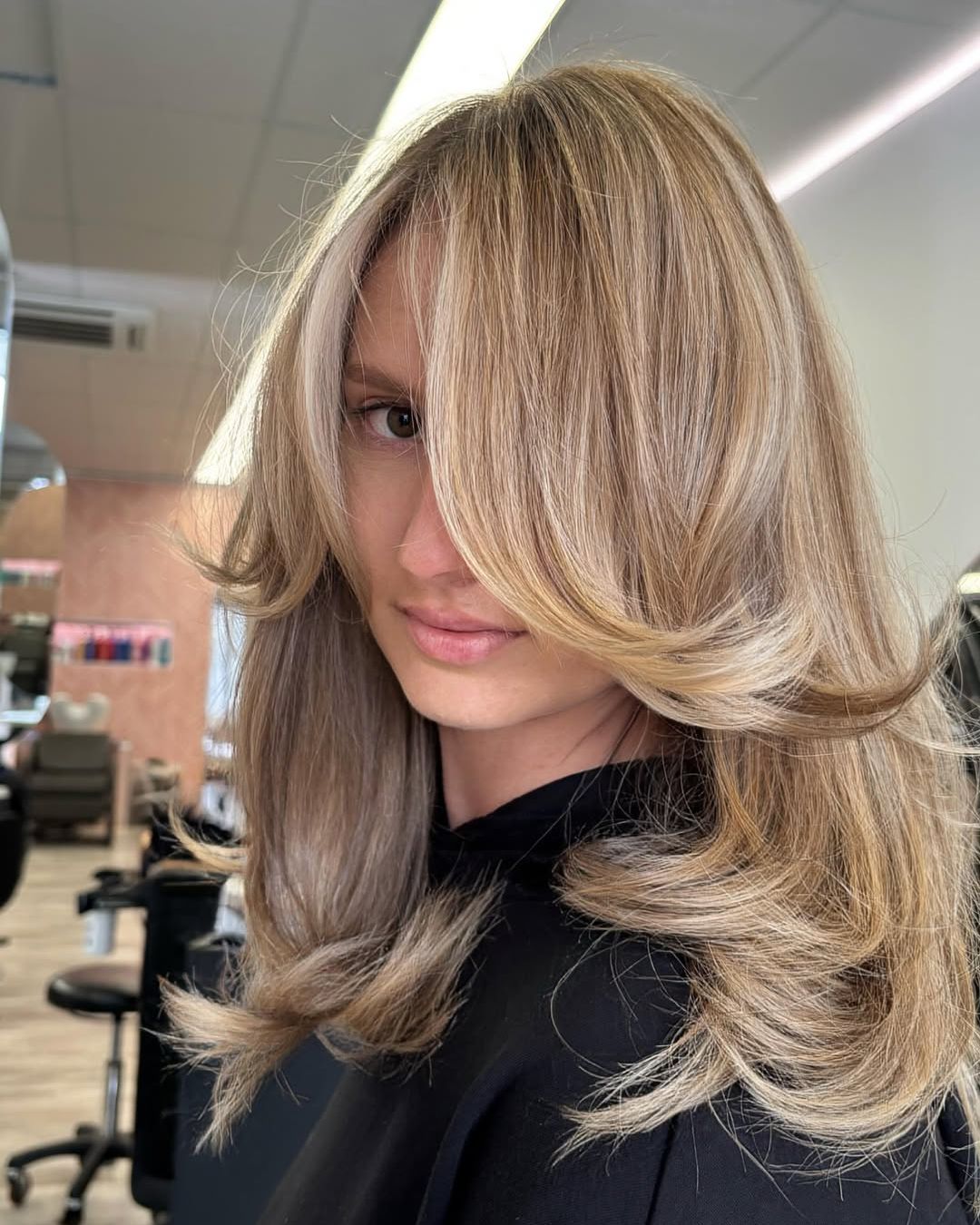
Balayage builds this honey blonde from the mid-lengths down, so the root area stays deeper and the lighter pieces sit where the layers move. On a mid-back cut, that placement matters: color painted in horizontal bands would fight the shape, while vertical sweeps follow it. Prominent curtain bangs split from a middle parting and carry a touch of the same honey tone, which keeps the front connected to the overall color.
Thick, wavy hair gives the blowout enough grip to hold volume, and oval or heart-shaped faces get a soft frame from the bangs. Ask your stylist for: mid-back length, honey blonde balayage, curtain bangs. Balayage grows out on a gentler line than full highlights, so a refresh every twelve to sixteen weeks usually holds, with a toner in between if the honey drifts warm. Blow-dry the bangs with a round brush, directing them away from the face, and book a trim every ten to twelve weeks.
6. Mid-Back Layers With Honey Blonde Highlights
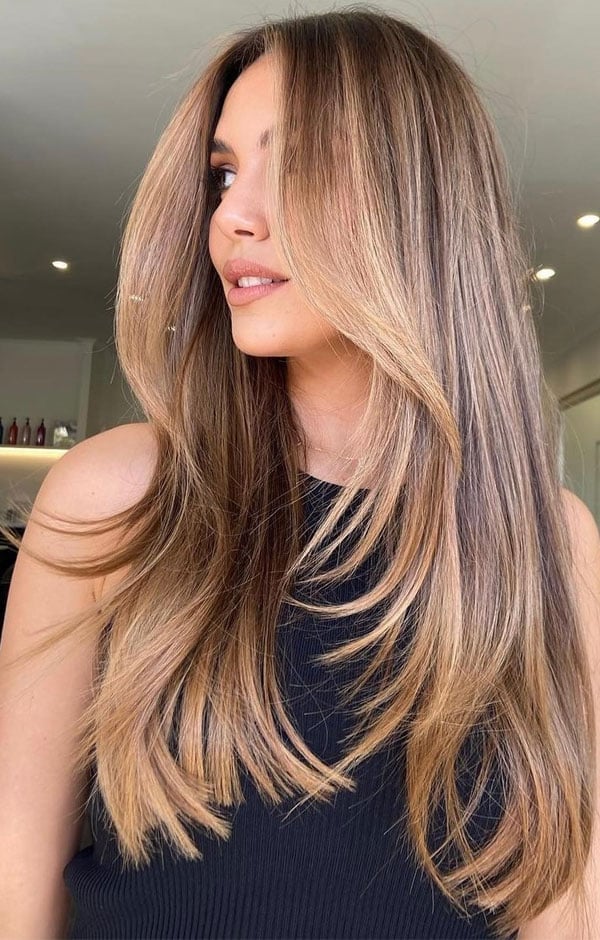
Honey blonde highlights stand out against long, soft layers and a middle part. The cut requires thick, wavy hair at mid-back length to hold the shape. Ask your stylist for: mid-back length, long soft layers, honey blonde highlights. Warm highlights oxidize faster than cool ones, so plan on a purple-toned shampoo around week four and a gloss every six weeks to keep the shade from veering orange.
7. Mid-Back Natural Waves With Long Layers
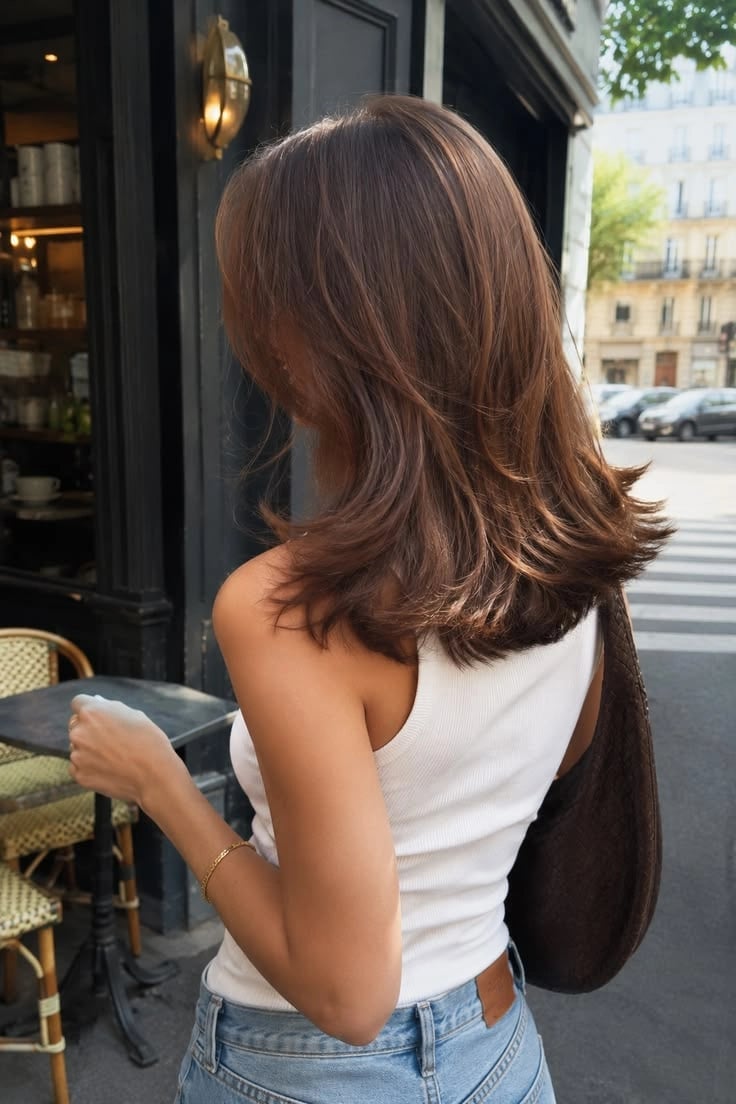
Can straight, medium-density hair carry long layers without looking stringy? Yes, if the layers are cut deep enough to create internal movement. This is a back-view shot, so what you see is a middle part and subtle lighter highlights woven through the ends for dimension. Ask your stylist for: mid-back length, long layers, natural air-dried texture. Styling is simple: the cut does the work. Trim every 10 to 12 weeks to keep the V-shape from disappearing into a blunt hemline.
The grow-out is unusually forgiving because there is no blunt edge to maintain. Medium-density hair gains volume from the layering without requiring heat, which makes this a strong option for anyone who wants a salon finish but air-dries 90 percent of the time.
8. Mid-Back Flowing Layers Dark Brown With Air Dried
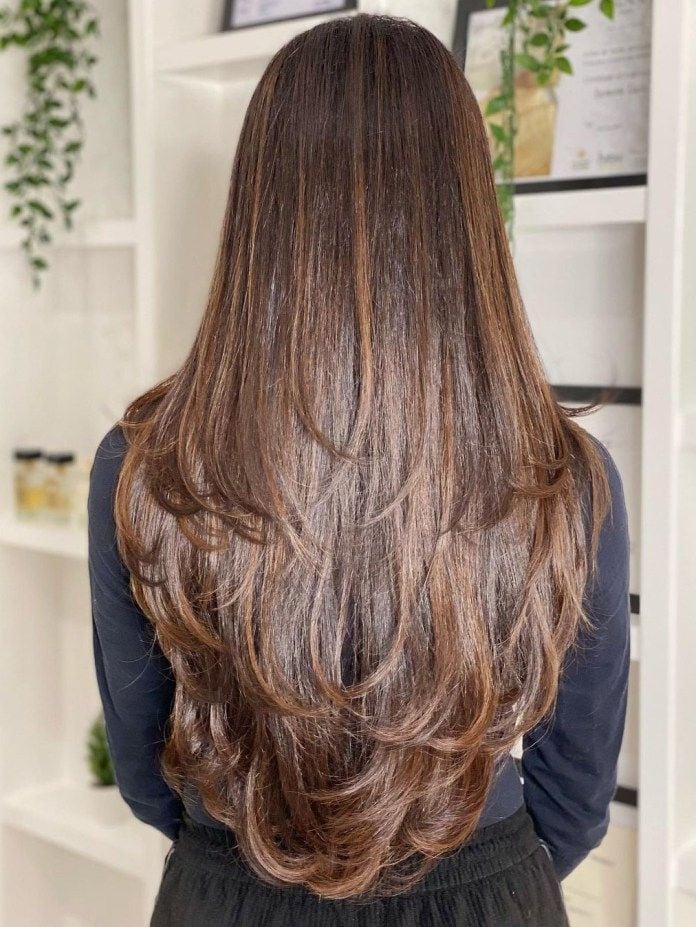
Thick, wavy hair does not need a blowout to look deliberate: the back view here shows a middle part and long, flowing layers that let the hair fan outward naturally. Dark brown with subtle lighter brown highlights adds depth. Ask your stylist for: mid-back length, long flowing layers, natural wavy texture. Scrunching with a sea salt spray while the hair is three-quarters dry coaxes the wave pattern into something consistent. The layers reduce bulk at the ends, which means air-drying takes about half the time it would on a one-length cut.
This shape works for anyone with texture that already holds a bend. Thick hair gains volume as it dries, so the layers look softer on day one and fuller on day two.
9. Mid-Back Ash Blonde Sleek Blowout
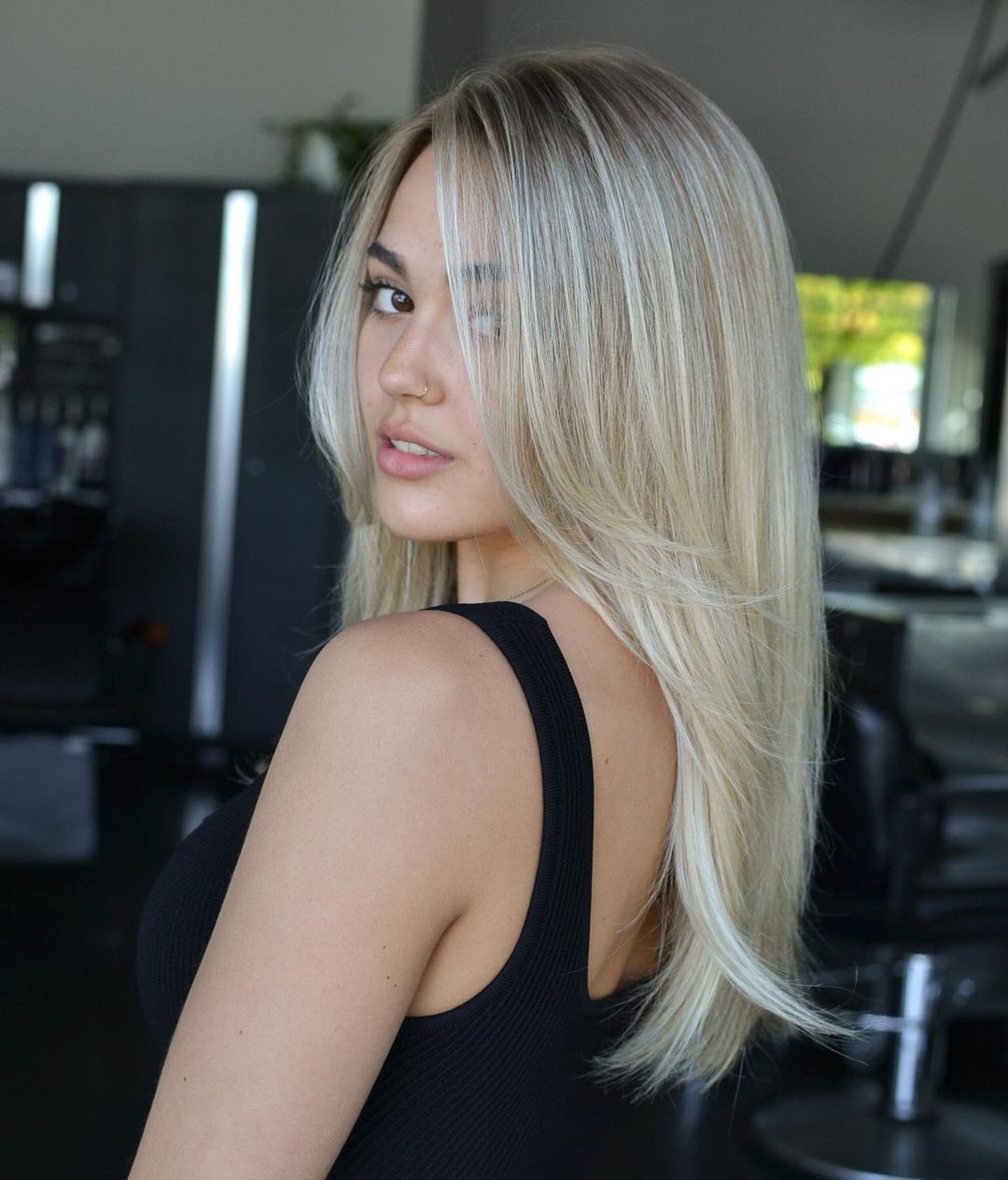
The side view shows a uniform ash blonde finish on fine, straight hair at mid-back length. Smooth, straight strands let the color look even from roots to ends. Ask your stylist for: mid-back length, ash blonde, sleek straight blowout. The technique involves a flat iron on low heat followed by a cool shot to seal the cuticle. A trim every eight to ten weeks keeps the ends from splitting, which is the main risk when fine hair is worn straight and long.
10. Collarbone Ash Blonde With Soft Layers
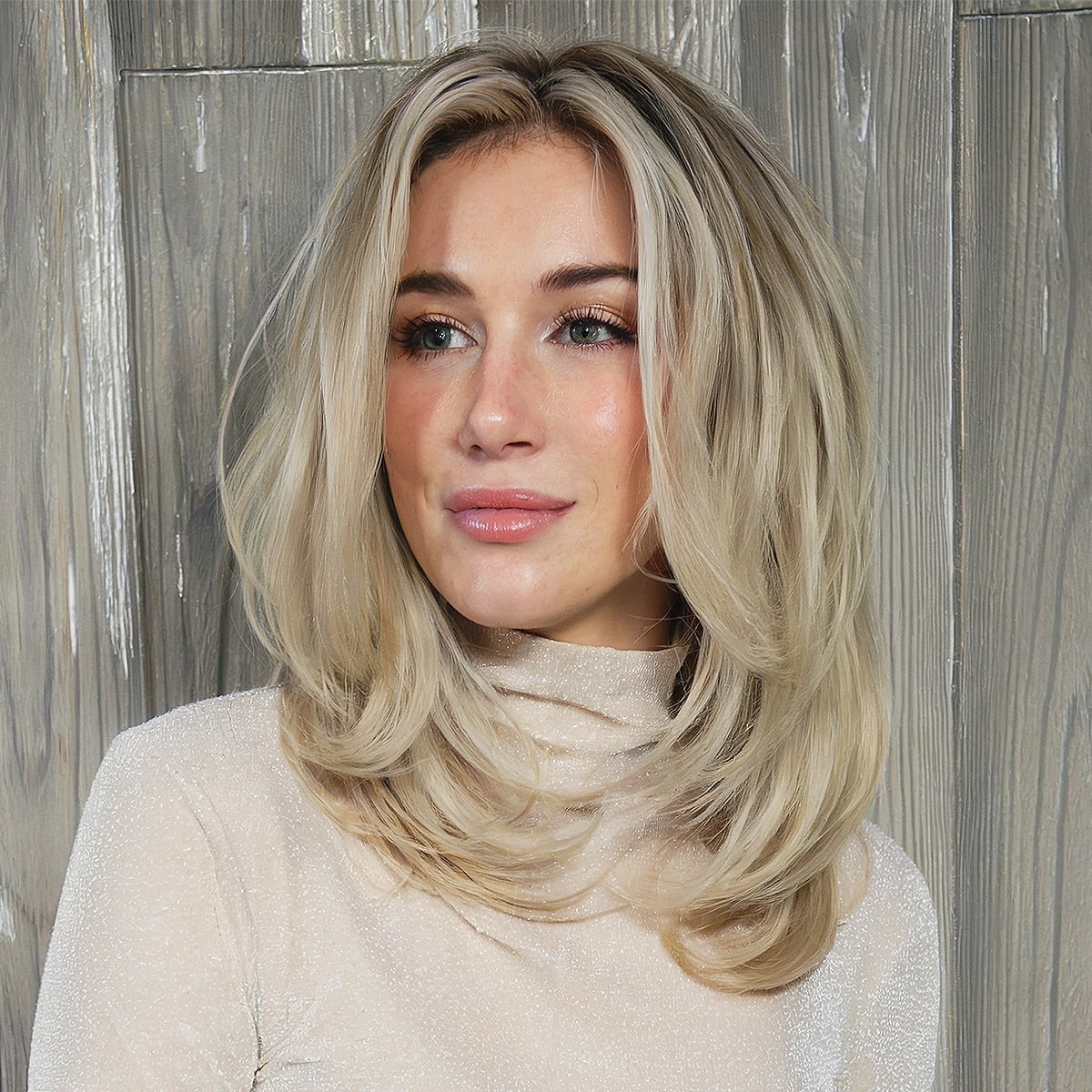
Wondering if collarbone length can feel modern without bangs? The front view here shows soft layers and an ash blonde base with lighter blonde highlights, which is enough dimension to keep a middle part from looking severe. Medium-density wavy hair is the sweet spot: the layers prevent the wave from bunching at the ends. Ask your stylist for: collarbone length, ash blonde with highlights, soft layers. Apply a texturizing spray to damp hair, then use a diffuser for a quick blast to give the wave pattern a finished look. Trim every eight to ten weeks, because the collarbone line exposes uneven ends faster than a longer cut does.
11. Collarbone Lob With Face-Framing Layers

A collarbone lob lands in the sweet spot between a bob and long hair, which means it works for anyone who keeps changing their mind. The cut suits medium-density wavy hair, and the face-framing layers do a good job of softening a square jawline without sacrificing much length. Ask your stylist for: collarbone length lob, soft face-framing layers, gentle waves. Use a serum for a glossy finish and schedule a trim every 8-10 weeks to keep the line clean. The middle part keeps things symmetrical, so the waves fall evenly on both sides.
12. Collarbone Layers With Curtain Bangs
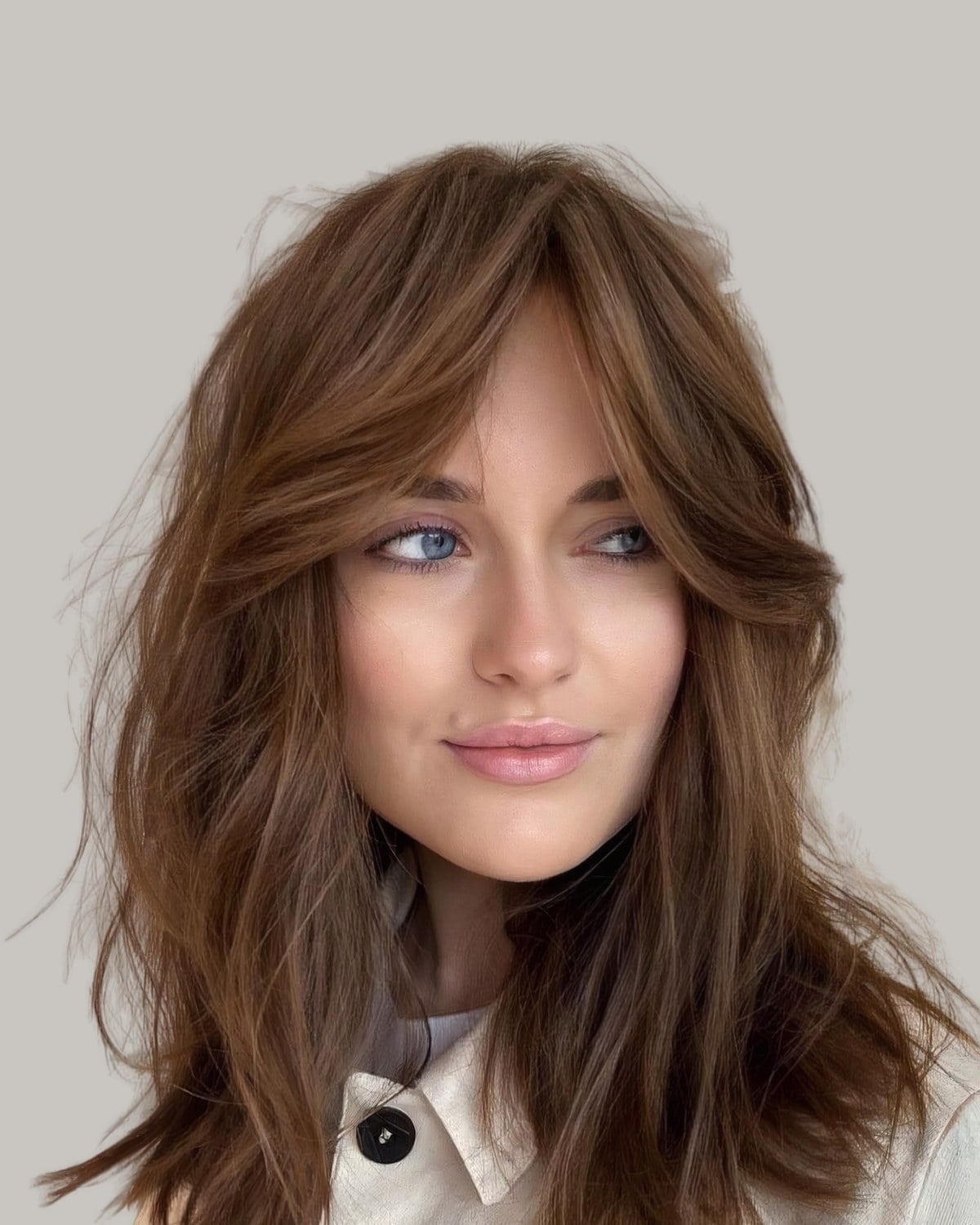
The medium brown color and wavy texture do the rest. Ask your stylist for: collarbone length, soft face-framing layers, curtain bangs. The bangs blend into the layers, which means less of a blunt line when they grow out. A middle part keeps the curtain effect balanced. This one is about the sum of its parts, not a single hero detail.
13. Collarbone Curtain Bangs And Side Part
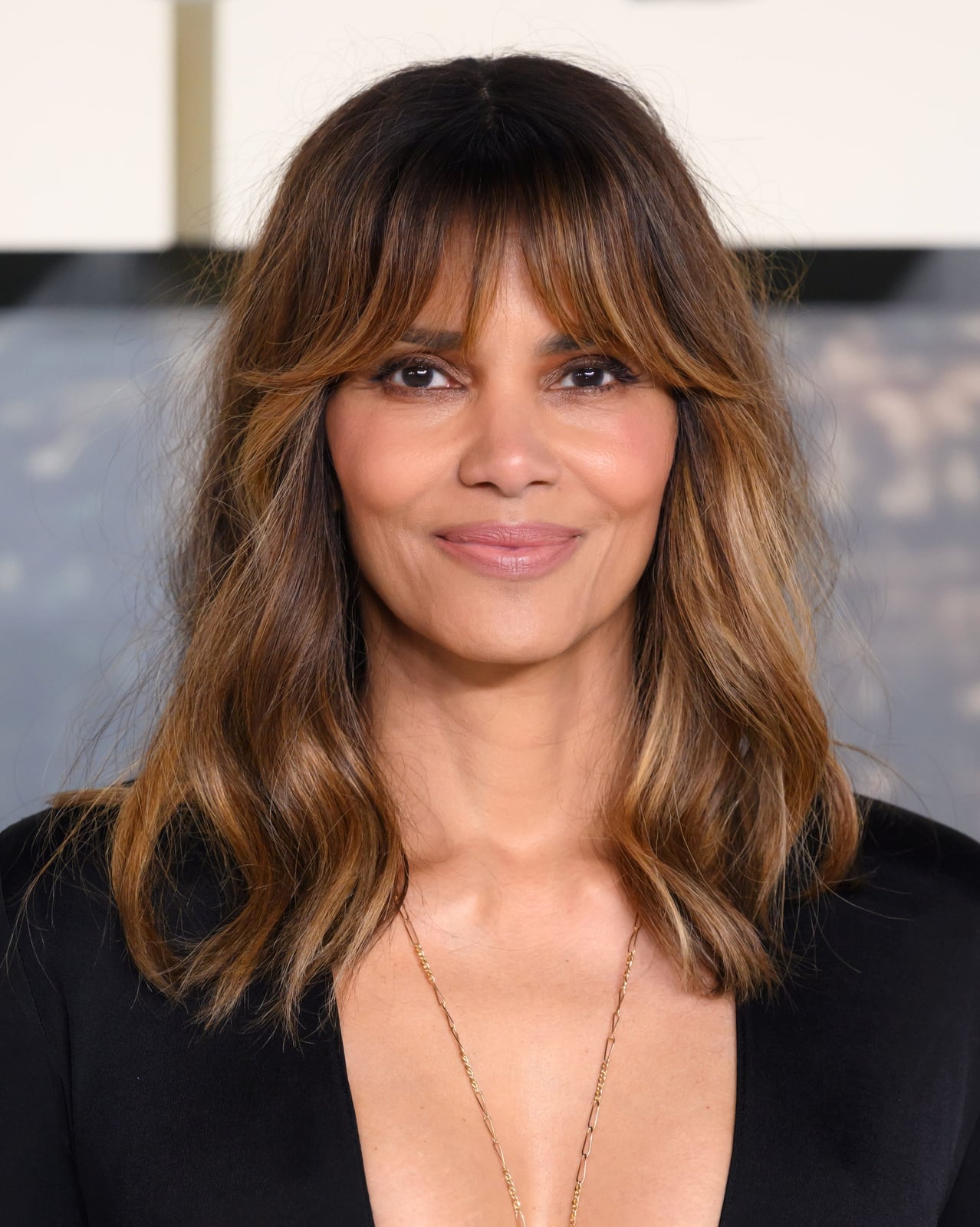
Curtain bangs tend to drift apart by midday, which is exactly why a side part works here. The side part lets the bangs sweep in one direction, keeping them visible longer. This collarbone length cut uses subtle highlights to add dimension to the medium brown base, and the wavy texture gives it a relaxed finish. Ask your stylist for: collarbone length, curtain bangs, side part. A texturizing spray will enhance the waves and keep the bangs from falling flat. Plan for a bang trim every 4-6 weeks.
14. Collarbone Layers With Soft Curls
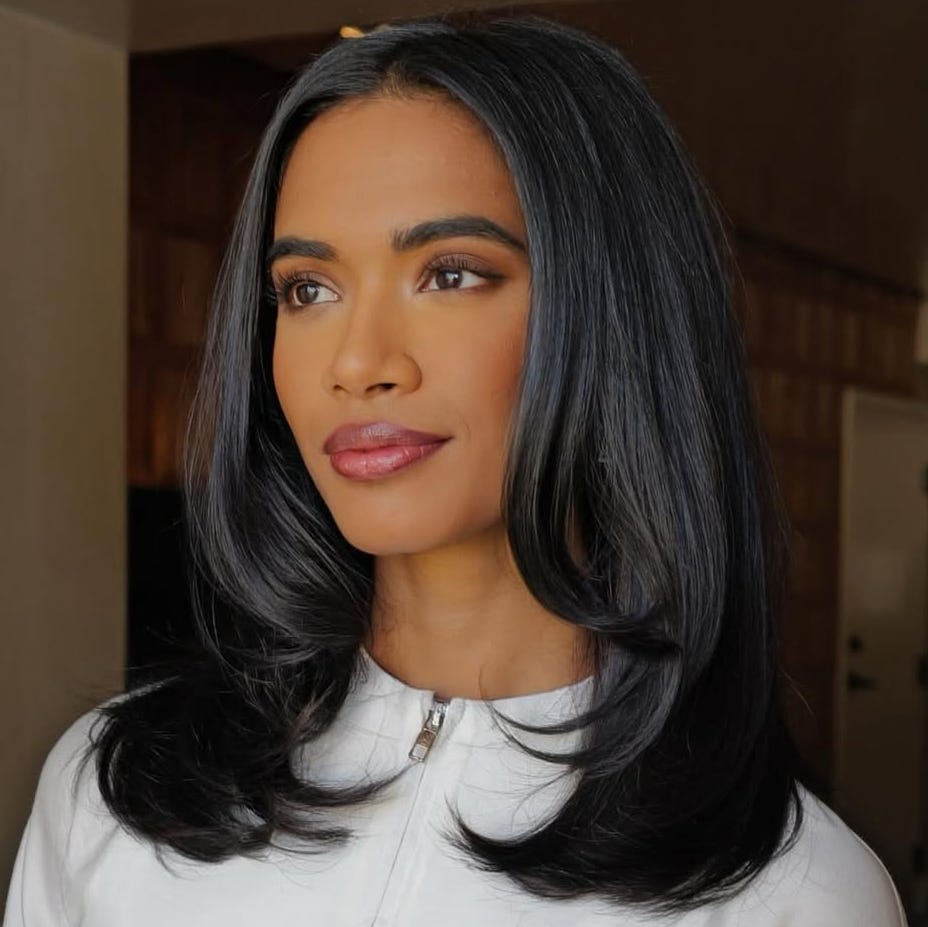
Collarbone length is a reliable choice for volume, but the trade-off is that layers can make medium-density hair look thinner if they are cut too aggressively. This version keeps the layers soft and the curls outward at the ends, which preserves the body. The dark brown color and side part add depth. Ask your stylist for: collarbone length, voluminous layers, soft curls. The movement comes from the outward curl pattern, not from heavy texturizing. Skip this one if your hair is on the fine side and you want maximum density.
15. Collarbone Ash Blonde With Face-Framing Layers
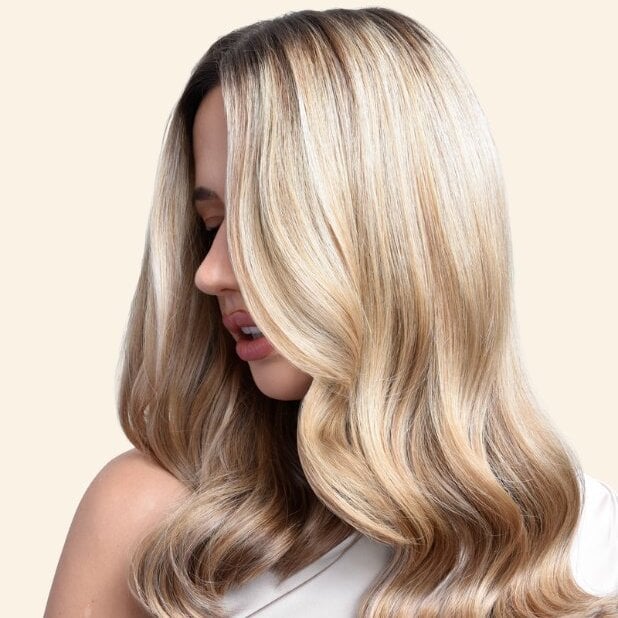
Ash blonde with darker roots relies on a shadow root technique that blends the regrowth line for several weeks. The collarbone length keeps the weight off the ends, and the curtain bangs and face-framing layers create a soft transition from root to tip. Ask your colorist for: collarbone length, ash blonde with dark roots, face-framing layers, curtain bangs. The subtle lighter highlights break up the ash tone so it does not read as flat. Blow-dry the bangs forward with a round brush and trim the ends every 8-10 weeks.
16. Collarbone Blunt Bob With Curtain Bangs

Can fine, straight hair hold a blunt line without going limp? At collarbone length it can, because the cut does the work: a blunt perimeter sits heavy and reads fuller than it is, and the subtle face-framing layers keep the shape from looking like a helmet. The curtain bangs soften the front. Ask your stylist for: collarbone blunt bob, curtain bangs. Blow-dry the bangs around a round brush so they curve away from the forehead, and book a trim every six to eight weeks, since blunt ends show every raggedy millimeter.
17. Chin Length Layered Bob With Side Bangs
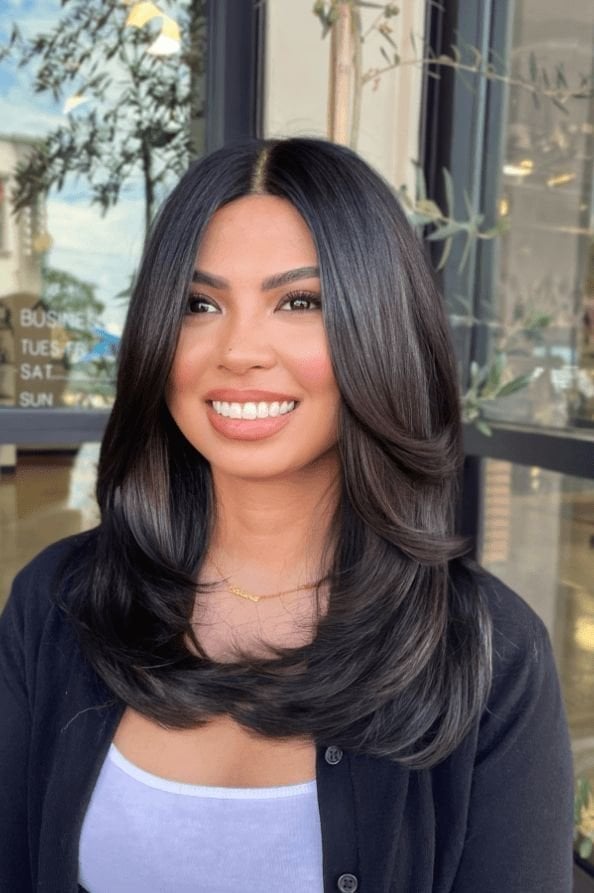
A chin-length layered bob lives or dies by its blowout, and the side-swept bangs are the neediest part. On fine, straight hair they want a round brush and a direction: dry them across the forehead toward the side they sweep, then set with a cool shot so they stay put. Skip that step and they hang straight down by mid-morning. The layers around the face add movement and the subtle gray highlights give the dark brown some dimension. Ask your stylist for: chin length layered bob, side-swept bangs. Book a trim every six to eight weeks to keep the shape crisp.
18. Chin Length Bob With Soft Waves
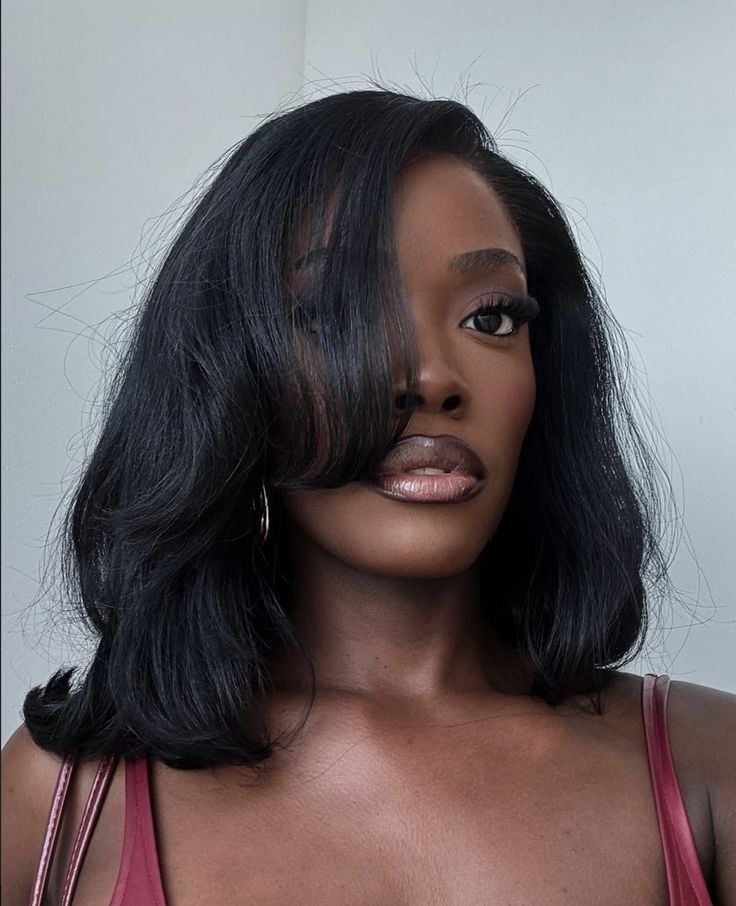
How do you get soft waves on a chin-length bob without a curling iron marathon? Ask for the shape first. Ask your stylist for: chin length bob, soft waves, side-swept bangs, and let the slight layers do the bending. At home, rough-dry to about eighty percent, then wrap small sections around a one-inch barrel, alternating directions. Mist with a texturizing spray and scrunch. The side-swept bangs need a quick pass with the brush to sit right. This is a salon cut with a ten-minute daily styling habit attached, so decide if that trade suits your mornings.
19. Shoulder Length Bob With Side Bangs and Gray With Blonde Highlights

Side-swept bangs on a shoulder-length bob are a gamble: they either sweep or they slump. On medium-density wavy hair, the weight of the wave can pull them straight, so the cut needs to be slightly shorter on the bangs side to hold its shape. The gray base with fine blonde highlights adds depth without demanding a root touch-up every three weeks. This cut suits round and oval faces, because the asymmetrical side part and the diagonal line of the bangs break up width. Ask your stylist for: shoulder length bob, side swept bangs, soft waves. The honest drawback: by day two, the side bangs want a dry shampoo and a quick round brush pass, or they fall into your eyes and lose the line.
20. Shoulder Length Sleek Straight Hair
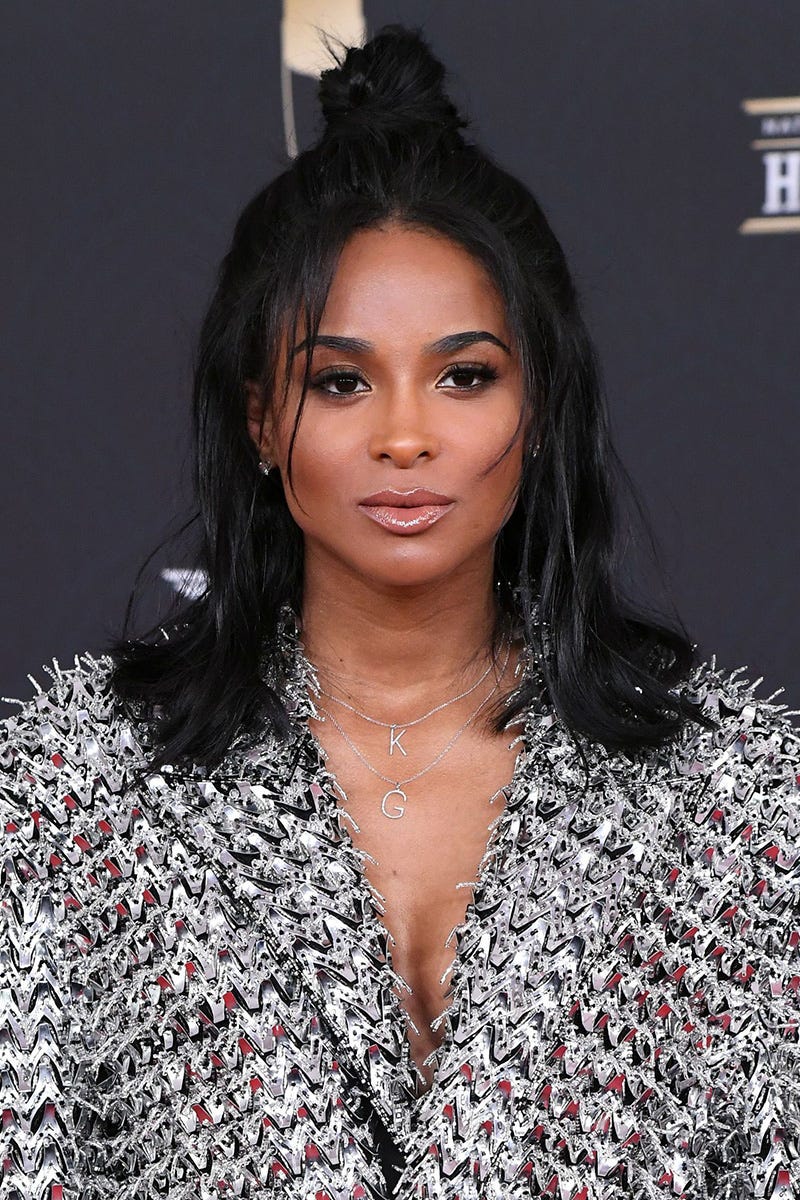
What separates a sleek shoulder-length blowout from a flat one? Tension and section size. Thick, straight hair holds a glossy finish well, but only if you dry it in small sections with the nozzle pointed down the shaft, chasing the cuticle flat. The subtle layers give the shape movement without breaking the line, and the middle parting keeps it clean. Ask your stylist for: shoulder length, sleek straight cut, subtle layers. At home, run a flat iron over the lengths at a low heat and finish with a shine serum on the ends only. Book a trim every eight to ten weeks.
21. Final Thoughts
Fine hair benefits from a blunt baseline or subtle, long layers that keep density intact. Thick hair sheds weight through longer layers that enhance movement. Bangs work at most lengths, but your face shape and willingness to style them daily should guide the choice. Choose the length that speaks to your style and lifestyle.
- Trim blunt bobs every 6-8 weeks to maintain their sharp line.
- Longer layered cuts require trims every 10-12 weeks to refresh shape.
- Refresh color-treated highlights every 8-10 weeks, or as needed.
- Use heat protectant spray before blow-drying or styling.
- Air-dry when possible to reduce heat damage and maintain texture.

