
Long haircuts in 2027 are defined by movement: soft face-framing layers, curtain bangs and a lived-in color that grows out without a fight. The blunt, one-length era is fading, and stylists are cutting shape back into the mid-back and collarbone lengths that clients keep asking to keep.
This list covers 20 Trendy Haircuts for Long Hair, from collarbone trims to mid-back shags, straight blowouts to air-dried curls. Whatever your density, texture or face shape, you will find a cut that solves the real problem: fine hair that collapses, a fringe that refuses to sit, or a grow-out line that shows by week five. Some need ten minutes and a round brush, others a diffuser and patience.
1. Black Mid-Back Cut With Full Curtain Bangs
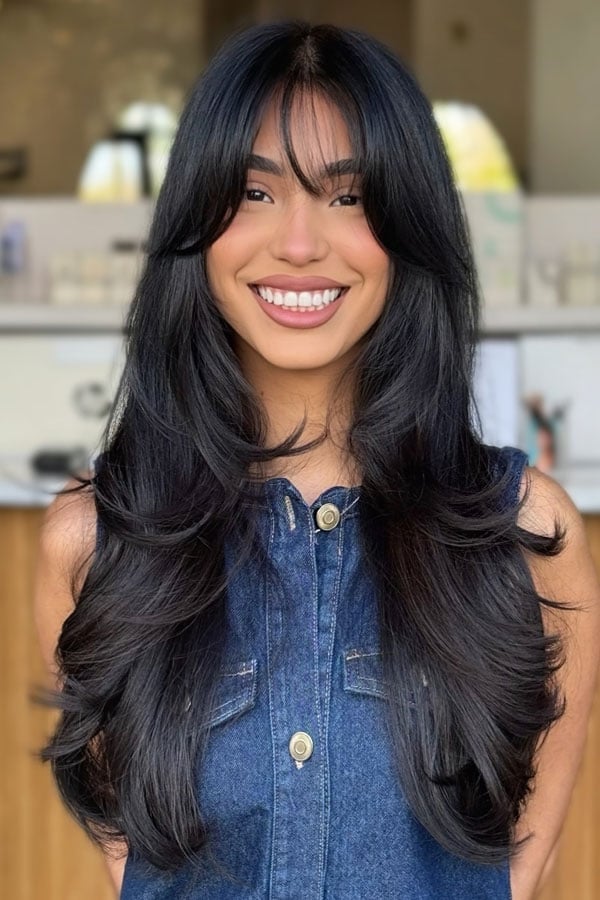
The real work in this cut is the blend: long layers start at the cheekbone and travel down to mid-back, so the volume around the face has somewhere to go instead of pooling at the ends. Full curtain bangs split at a middle parting and sweep outward, and on thick, straight hair that sweep holds its shape without much coaxing. Black color keeps the whole thing looking dense and glossy.
Ask your stylist for: mid-back length with full curtain bangs, volume around the face. Thick hair wears this best; fine hair needs the layers kept long or the bangs go limp by lunch. Curtain bangs soften round and square faces by cutting the width at the temples. Plan on a blowout with a round brush at the bangs to push that outward curl, and a trim every six to eight weeks to keep the fringe from grazing your eyes.
2. Dark Brown Mid-Back With Full Bangs And Subtle Layers
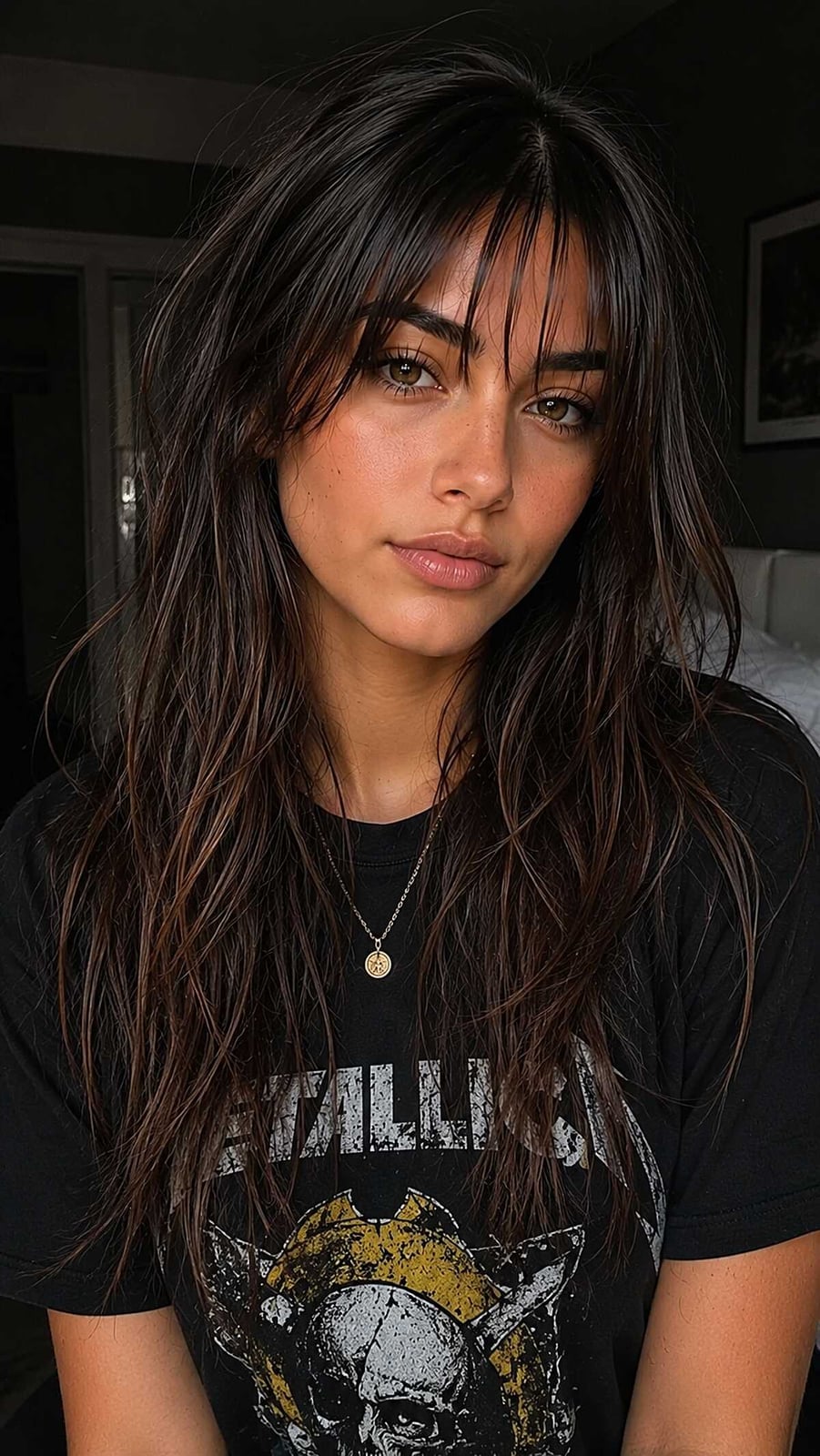
Full bangs that read as soft instead of helmet-like require weight removal, not just length. This mid-back cut keeps the layers subtle, so the dark brown color stays the loudest thing about it, and the fine, wavy texture air-dries into that slightly undone finish.
Ask your stylist for: mid-back length with full bangs and subtle long layers, natural texture. Here is what to spell out before the first snip:
- Full bangs that sit just below the brow, with the edges point-cut so they break up instead of sitting in one solid block.
- Long layers starting past the jaw, which keeps mid-back length intact while giving fine hair some movement.
- A middle parting, since full bangs fall most evenly from center.
- Enough texture left alone that a texturizing spray and air-drying finish the job.
Full bangs balance a longer face by adding width across the forehead. Fine, wavy hair holds this shape well; dense hair will need the bangs thinned or they turn into a curtain.
3. Ash Blonde Collarbone Cut With Soft Layers
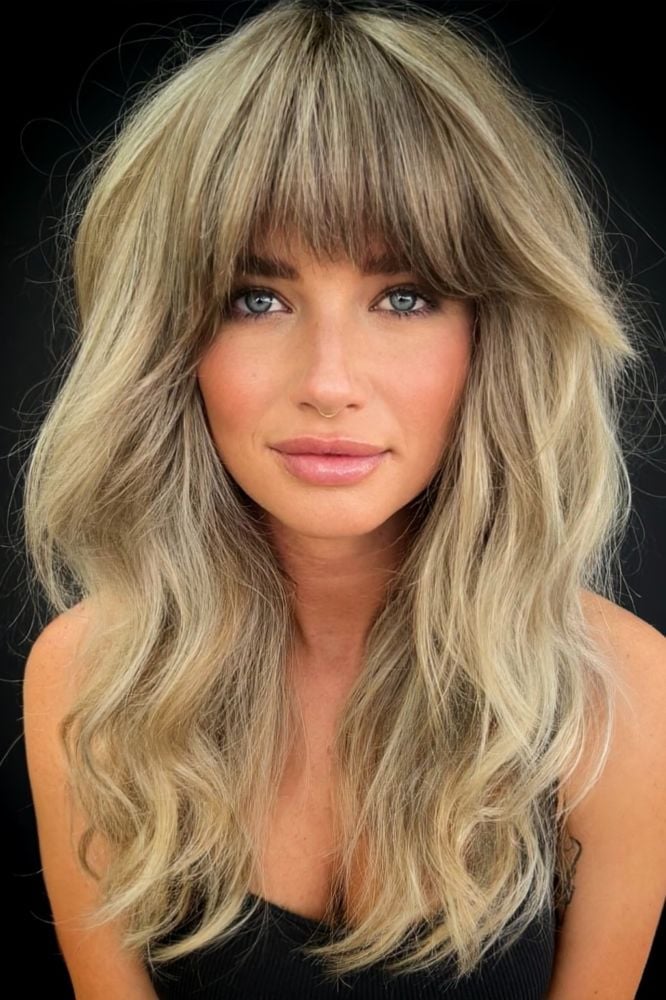
This ash blonde version pairs soft long layers with full curtain bangs and lighter highlights running through the lengths, so fine, wavy hair reads fuller than it is. Collarbone length keeps the bangs and the blowout shape visible; longer hair lets the layers do quiet work. Ask your stylist for: collarbone length with soft long layers and full curtain bangs, ash blonde with highlights.
4. Ash Blonde Shoulder Collarbone Layers With Face-Framing
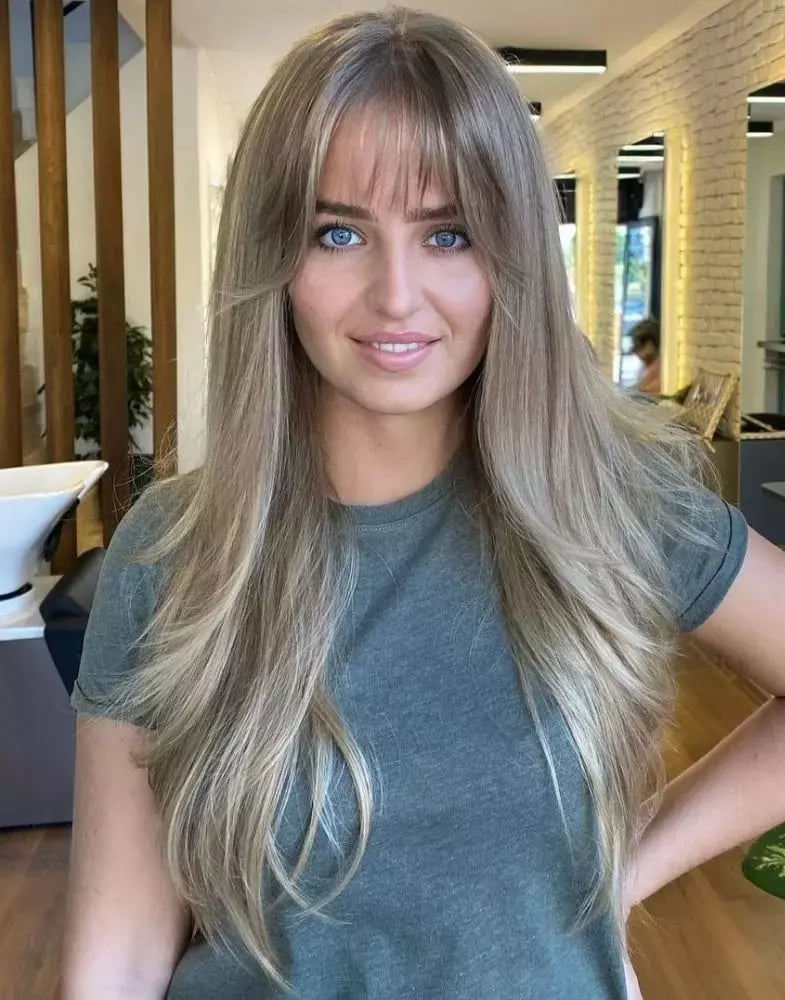
Face-framing layers do the most when they start at the cheekbone, and this shoulder to collarbone cut places them exactly there before letting the length fall into a soft blowout. The ash blonde base carries subtle highlights, which keeps the color from going flat against medium density hair. Curtain bangs finish the frame at a middle parting.
Ask your stylist for: shoulder to collarbone length with face-framing layers and curtain bangs, ash blonde. Wavy, medium density hair suits this best, since the layers have enough body to curve inward instead of hanging straight. Angular jawlines get softened by those front pieces; a long face may want the layers kept wider at the sides. Styling runs quick: a dry texturizing spray revives the waves on day two, and a trim every six to eight weeks keeps the collarbone line from turning into a grown out shoulder cut.
5. Dark Blonde Mid-Back With Face-Framing Curtain Bangs
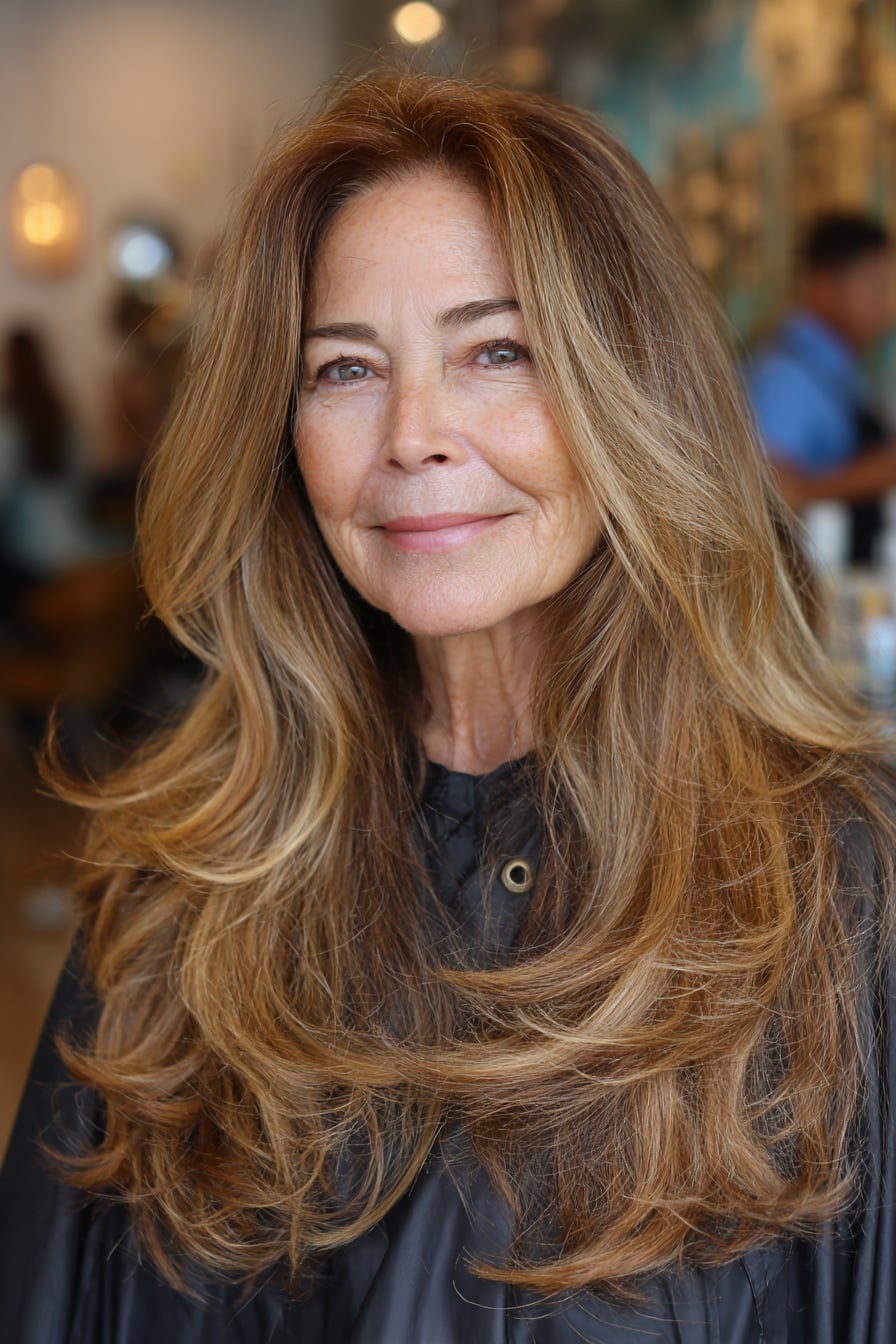
The face-framing layers here start short and step down gradually, so the curtain bangs merge into the length instead of sitting on top of it. Mid-back hair with long layers throughout gets a dark blonde base lifted by ash blonde highlights, and thick, wavy texture supplies most of the volume on its own.
Ask your stylist for: mid-back length with long layers and face-framing curtain bangs, dark blonde with ash blonde highlights. The blowout is the upkeep: rough-dry to about eighty percent, then work a round brush through the bangs and the front layers, angling the brush outward at the ends. The back can dry on its own with a little smoothing cream. Thick hair typically holds the soft waves for two or three days between washes, though the bangs need a quick pass each morning. Book a trim every six to eight weeks, since layers this long start to look grown out fast, and a toning gloss every six to eight weeks keeps the highlights from pulling brassy.
6. Dark Blonde Mid-Back Curls With Side Part
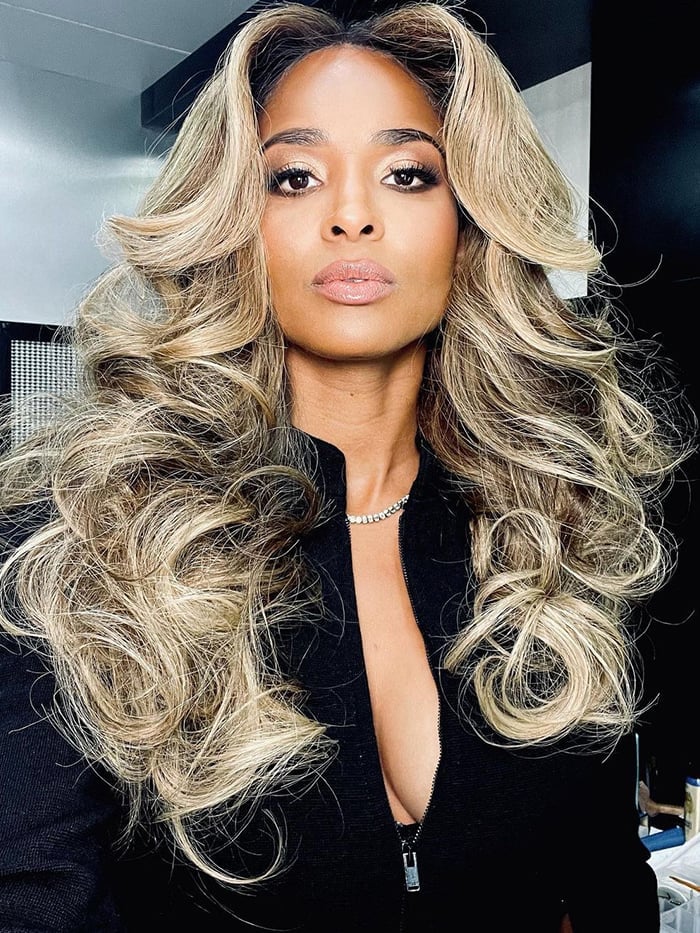
Where do you take a blowout this precise? A birthday dinner, a daytime wedding, a dinner where you actually want to be photographed. The side part sweeps the bulk of this thick, curly hair to one side, and the long layers keep the mid-back length shaped through the ends. It is a salon-level shape: the diffuser work and the ash blonde highlights layered over a dark blonde base give it dimension that air-drying alone cannot touch. Ask your stylist for: mid-back length curly cut with long layers, dark blonde with lighter highlights, side part. A trim every 10 to 12 weeks keeps the curls from getting bottom-heavy.
Thick, curly hair that reaches mid-back is the starting point. The side part adds volume at the top of the head, and that volume flatters long face shapes by breaking up vertical length. For texture that holds, dry the roots on low heat and let the ends air-dry halfway. This is not a five-minute wash-and-go shape, but the result is a blowout that stays bouncy through dessert.
7. Blonde Mid-Back With Long Layers And Waves
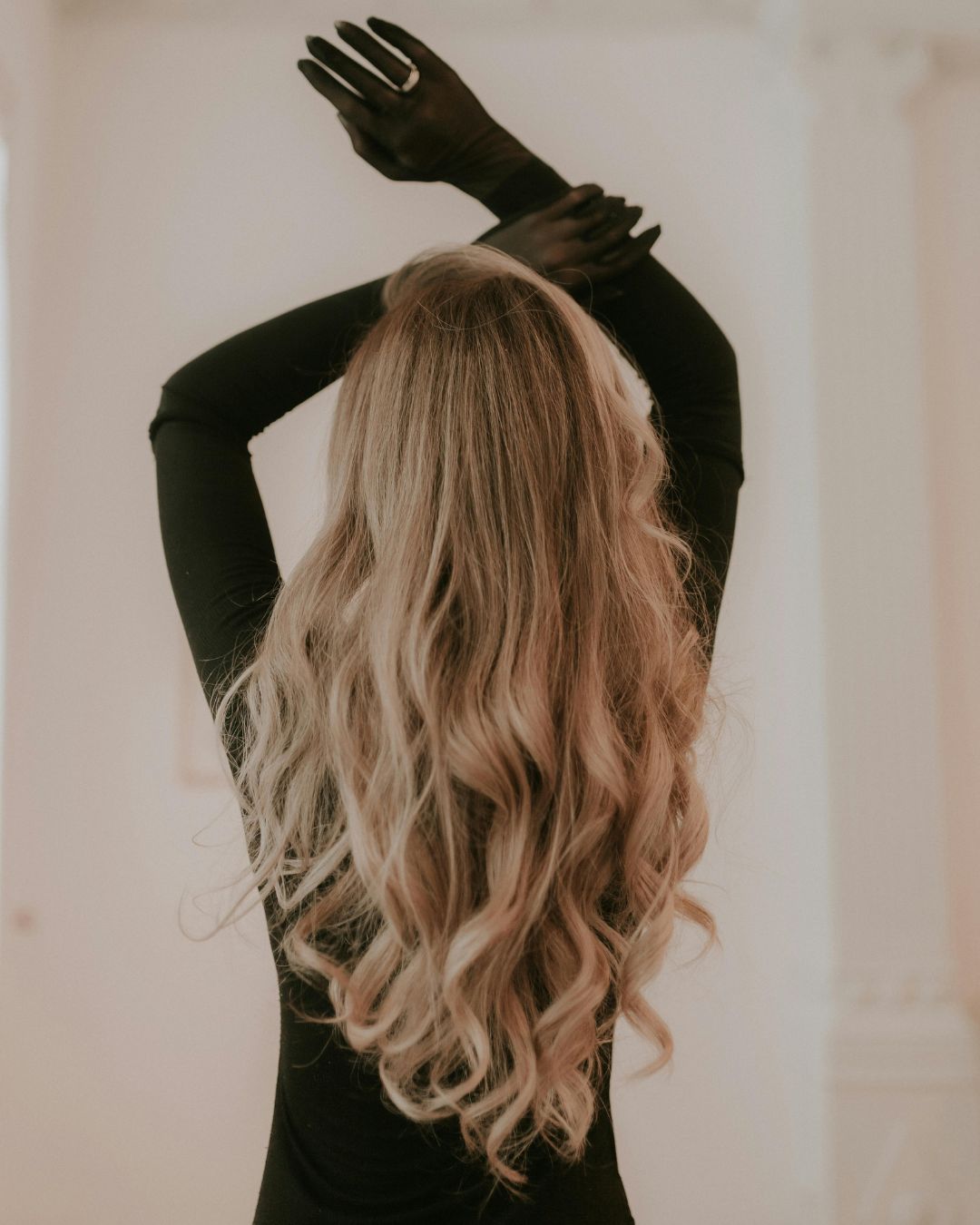
Long layers are cut so that the shortest piece still hits the mid-back. The point is movement without losing an inch of length: the ends feather apart rather than sit in a solid line. Ask your stylist for: mid-back length with long layers, blonde with highlights, loose waves. Medium-density, wavy hair takes to this technique best because the layers have enough weight to wave but not so much bulk that they flop.
The back view shows how the shape tapers gradually. There are no bangs here, so the focus stays on the blonde highlights running through the waves. A sea salt spray on damp hair, then scrunching, gives a beachy finish without heat. Trim every 8 to 10 weeks to keep the layers from growing into a blunt hemline.
8. Shoulder Length Curls With Curtain Bangs
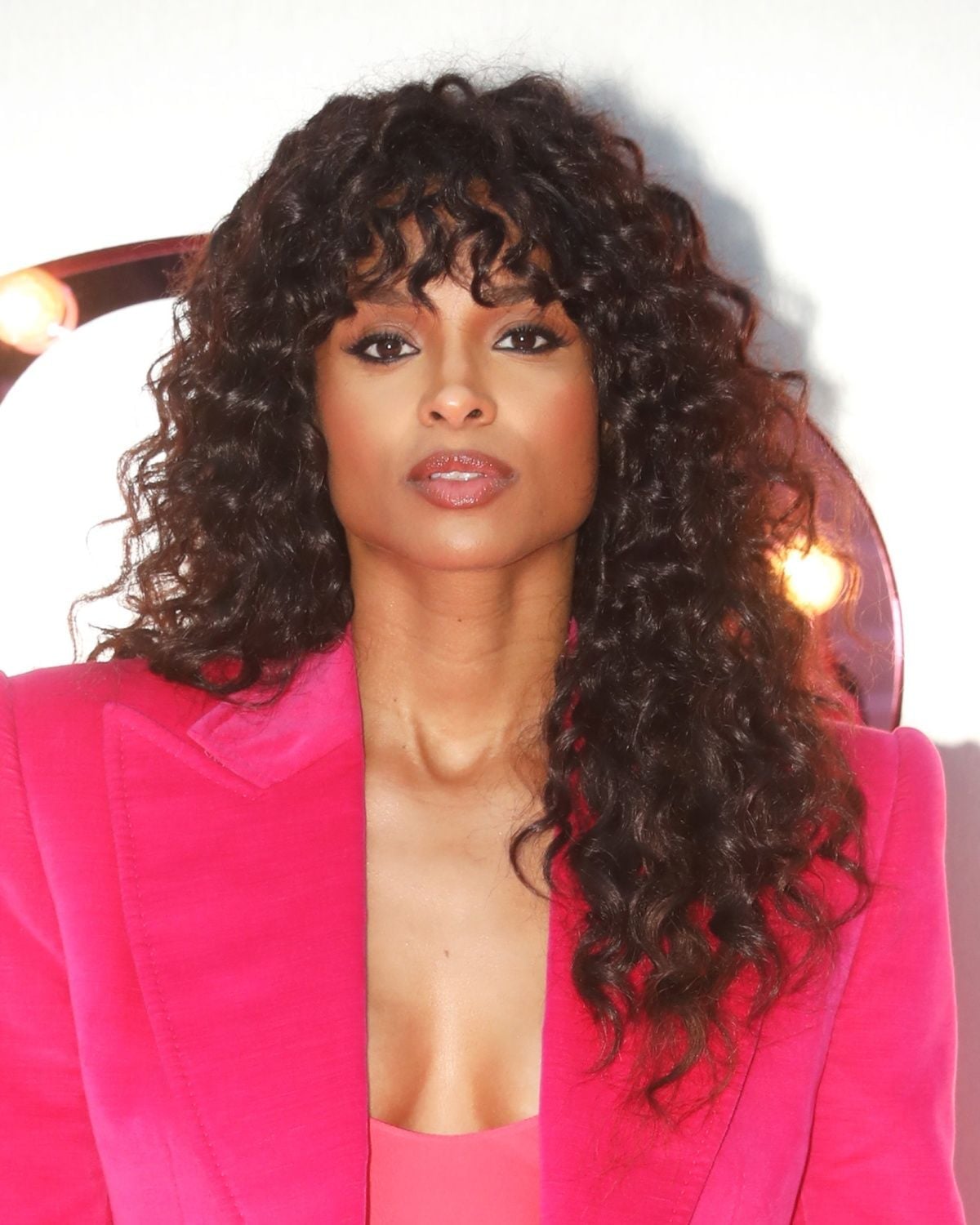
It is not a full curly shag and it is not a blunt bob. This is shoulder-length hair with thick, curly texture, face-framing curtain bangs and a side part that adds asymmetry. The salon work is the key: a stylist cuts each curl dry so the layers land correctly. Ask your stylist for: shoulder length curly cut with face-framing curtain bangs, dark brown with subtle highlights. At home, a wide-tooth comb on wet hair defines the curl pattern without pulling out the shape. The difference between a DIY version and this result is the dry-cutting technique and the curtain bangs that actually frame the cheekbones rather than sitting in a puff.
9. Medium Brown Mid-Back Waves With Face-Framing
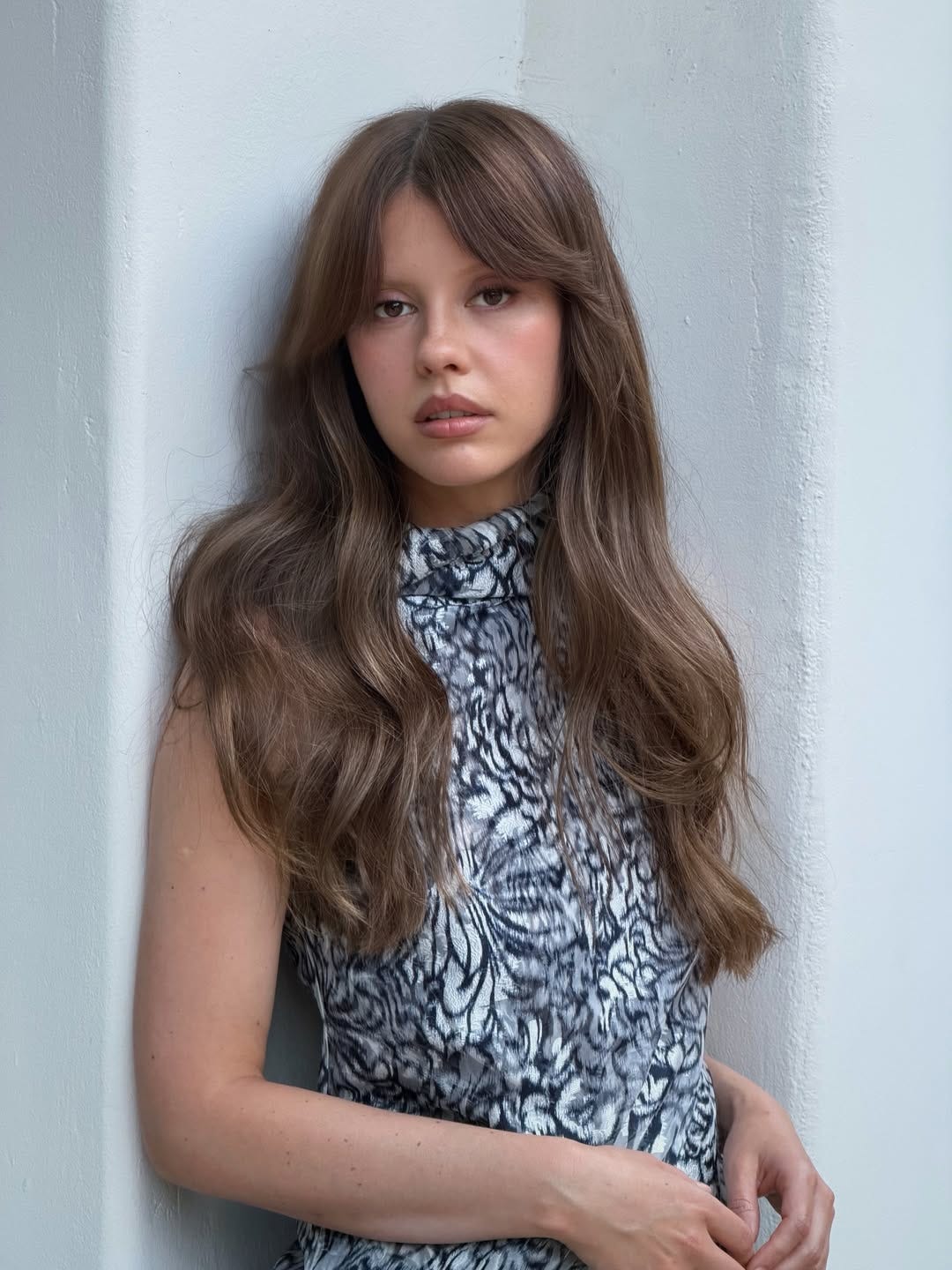
The face-framing layers here start just below the chin and blend into long layers that reach mid-back. A middle parting splits the curtain bangs evenly, and the soft waves keep the medium brown base from reading as flat. Ask your stylist for: mid-back length with long layers and curtain bangs, medium brown with subtle highlights. The honest drawback: those face-framing pieces need a trim every 6 to 8 weeks. Let them go nine weeks and they hit the collarbone, losing the intended shape. Oval and heart face shapes get the most out of this layout because the layers soften the jaw without shortening the overall length. A smoothing cream on damp hair controls frizz, but the cut itself provides the shape.
10. Medium Brown Mid-Back With Voluminous Layers
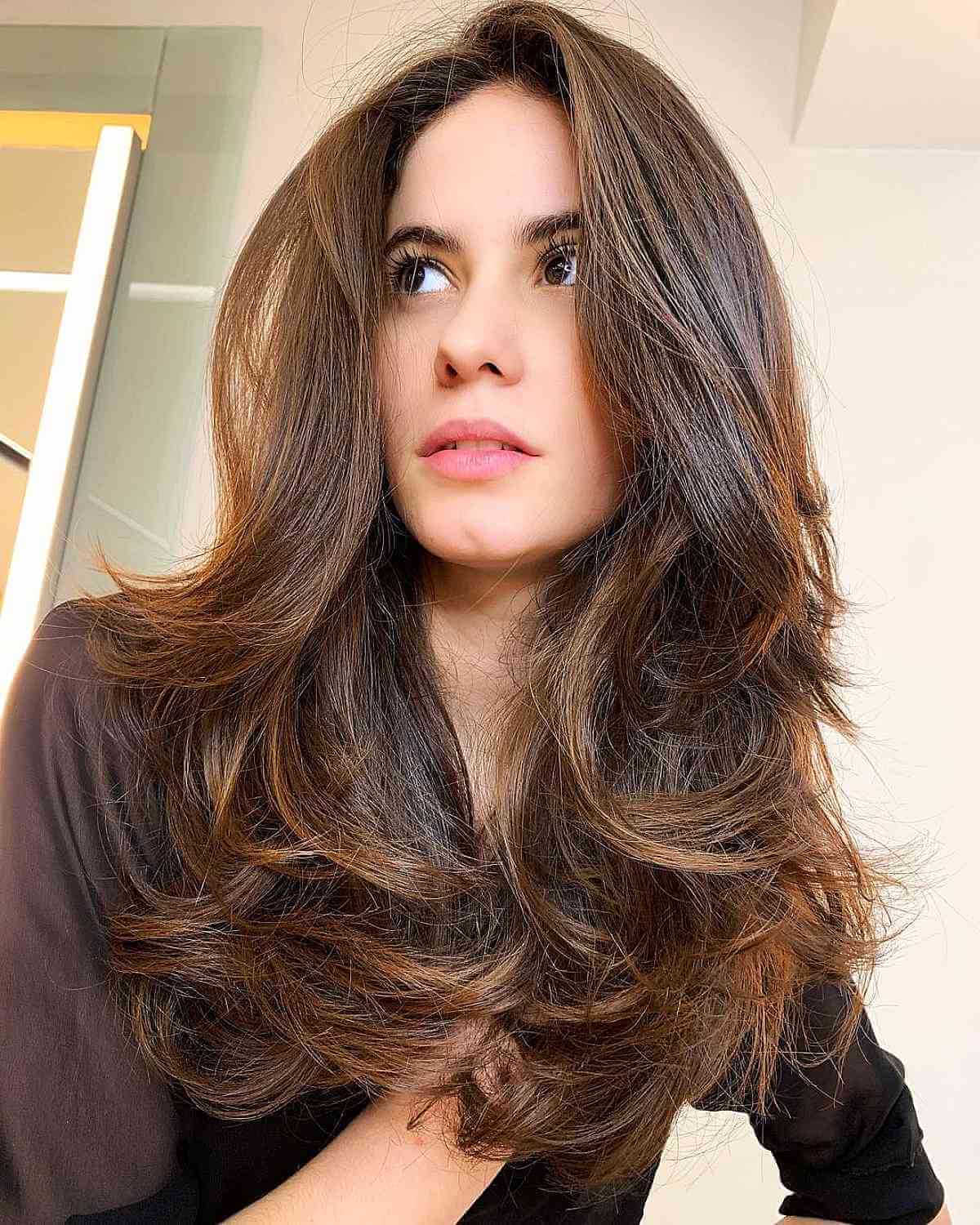
No bangs, no curtain pieces. This design relies entirely on voluminous long layers cut into thick, wavy hair at mid-back length. The side part and the blowout push the volume to one side, creating a full silhouette that does not look heavy. Ask your stylist for: mid-back length with voluminous long layers, medium brown with subtle highlights, side part. The subtle highlights add dimension without obvious contrast, so the texture reads as natural. Thick hair needs this kind of internal layering to reduce weight at the ends. For styling, apply a volumizing product at the roots before blow-drying to keep the lift in place. Plan on a trim every 8 to 10 weeks to maintain the shape through the layers.
11. Copper Red Mid-Back With Curtain Bangs

Can a single haircut balance both color and shape? This one does. The mid-back length carries long layers that keep the copper red from feeling flat, while the curtain bangs frame the face without committing to full fringe territory. The color is the anchor here, a vibrant copper that demands a color-depositing conditioner in your shower lineup to stay brilliant past the first rinse. Ask your stylist for: mid-back length with long layers and curtain bangs, vibrant copper red. Medium density wavy hair is the ideal starting point, and the curtain bangs do their best work softening round and square faces. Plan on a trim every six to eight weeks to keep the shape clean and the ends from looking tired.
12. Dark Brown Mid-Back With Curtain Bangs And Side Part
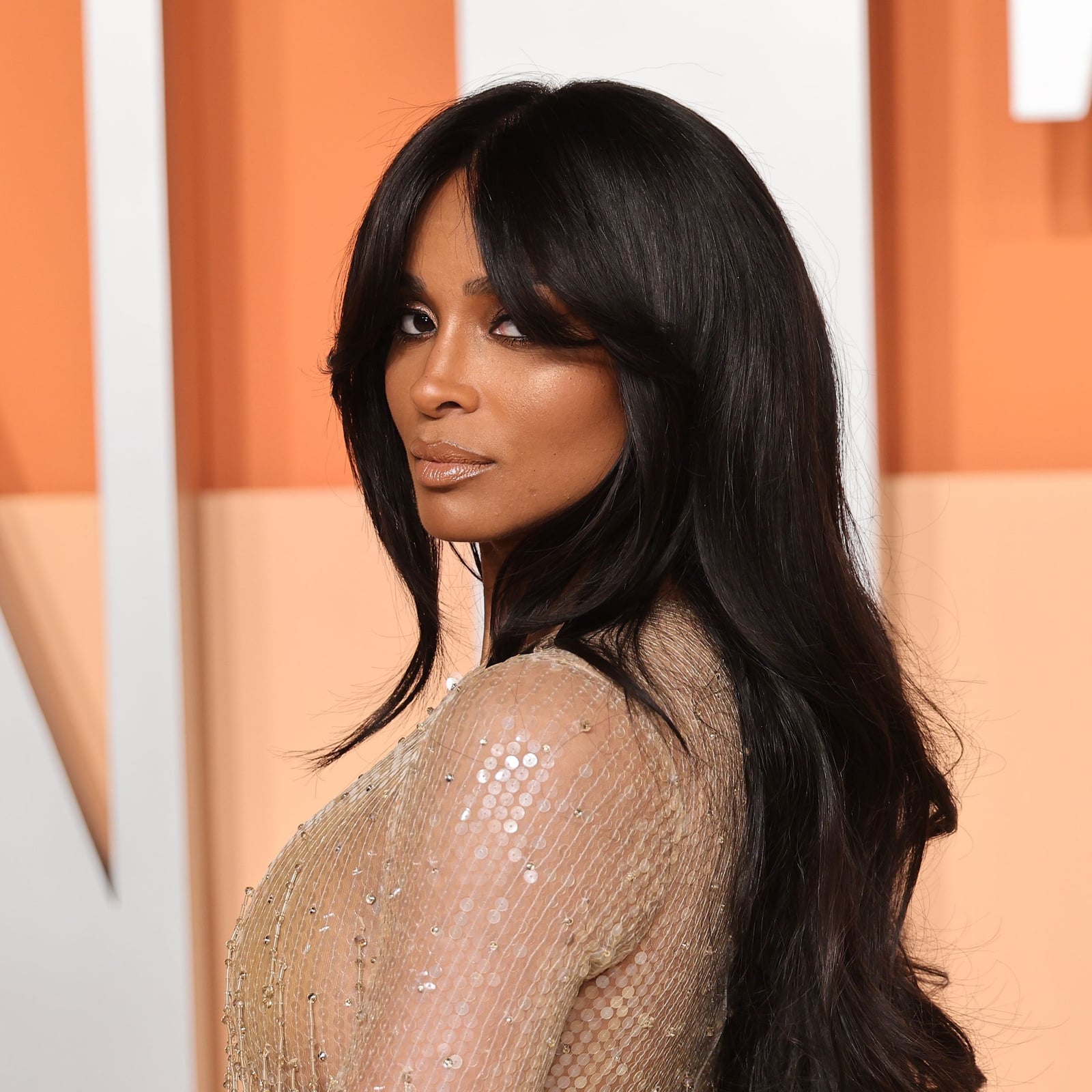
A side part with curtain bangs reads differently than a middle part does. The middle version is symmetrical and soft; the side version adds lift at the root and a touch of asymmetry that can balance a longer face. Here the dark brown base with subtle lighter highlights keeps the blowout from going flat, and the thick straight texture holds the shape without much convincing. Ask your stylist for: mid-back length with long layers, curtain bangs, and side part, dark brown. If your face is round, stick with the middle part. For longer faces, the side part gives you volume where you need it.
13. Medium Brown Collarbone Cut With Curtain Bangs
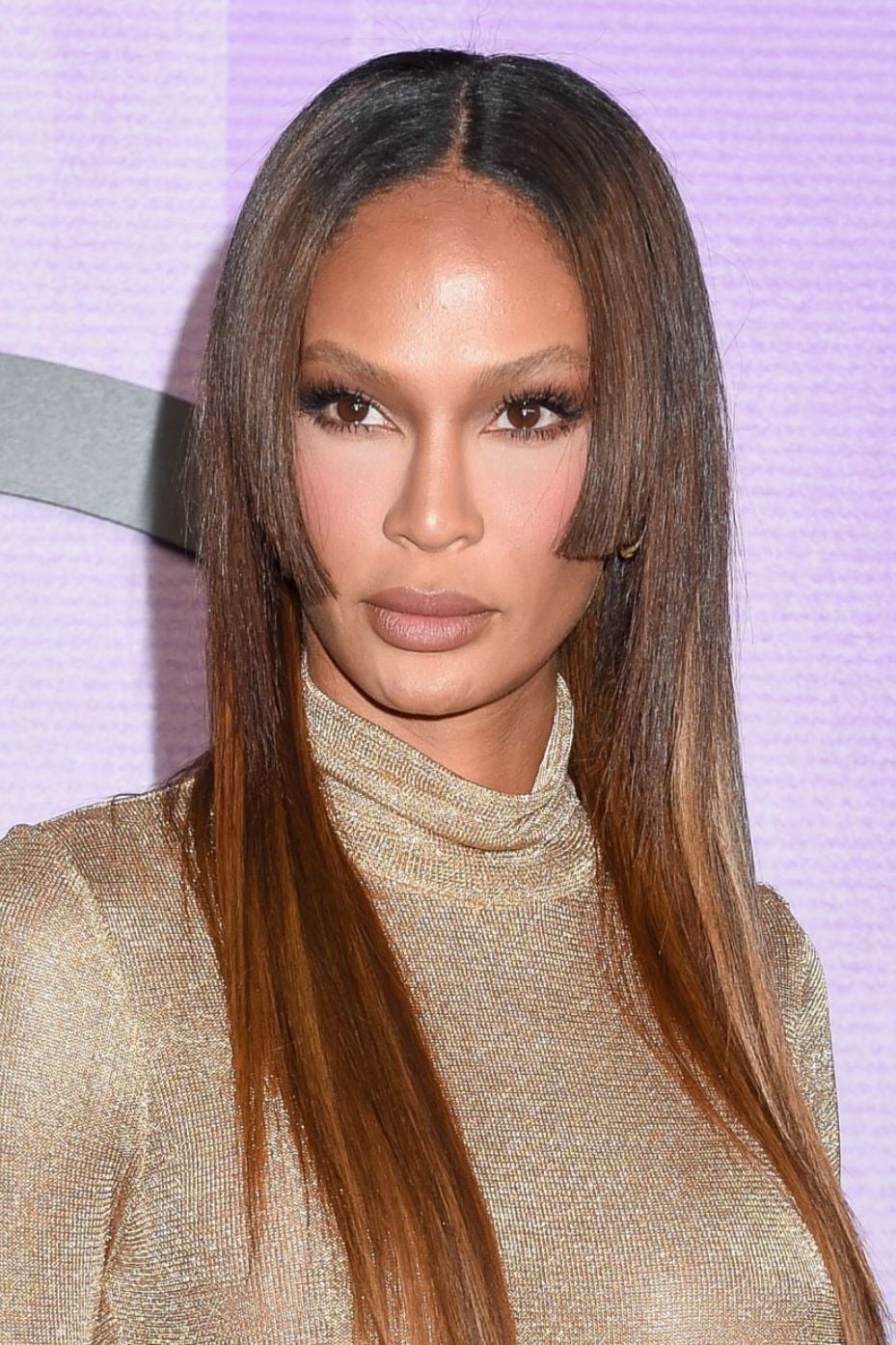
The collarbone length is the sweet spot between short and long, enough hair to move but not so much that it weighs itself down. The long layers here work with the medium density straight texture to create a blowout that actually holds volume, and the curtain bangs land right at the cheekbone, which is where they soften a square jaw or rounder features best. Ask your stylist for: collarbone length with long layers and curtain bangs, medium brown. The subtle lighter highlights add depth without a full color commitment. Straight hair with medium density takes well to this shape, but if your texture is very fine, skip the heavy layers or the ends will look sparse.
14. Dark Brown Shag With Textured Layers
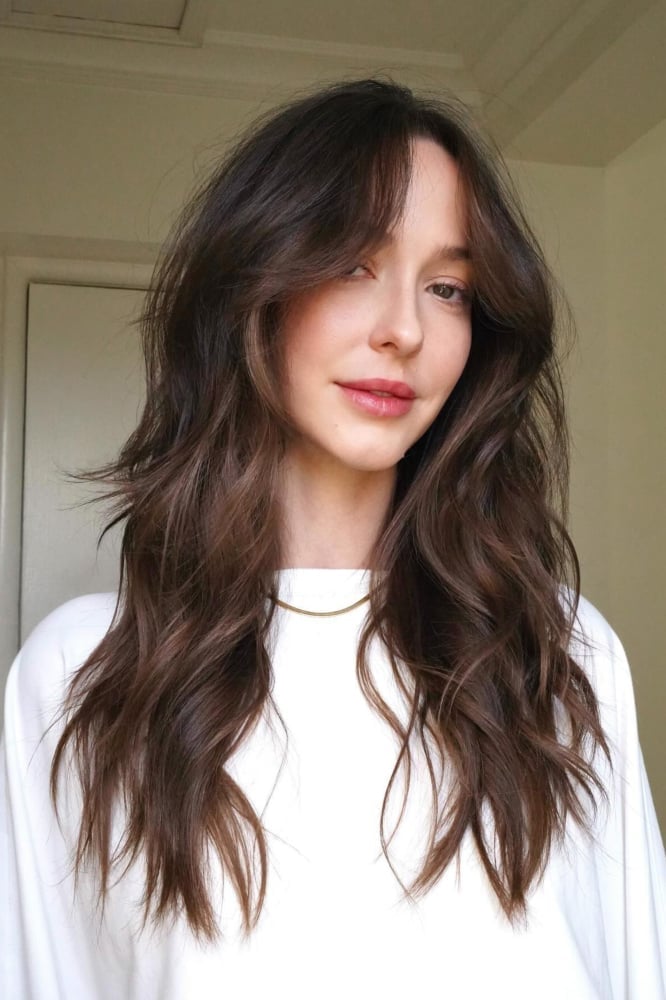
This is not a shag for the faint of commitment. The textured layers run through the whole cut, from the curtain bangs to the shoulder-length ends, and the dark brown base with subtle balayage gives the shape dimension that a single-process color cannot. The honest drawback is the grow-out: those internal layers need a trim every eight to ten weeks or they start looking more accidental than intentional. Wavy medium density hair is the ideal canvas because the texture hides any minor unevenness. Ask your stylist for: shoulder to collarbone length shag cut with textured layers and curtain bangs, dark brown with balayage. A texturizing paste helps the layers separate without looking stiff.
15. Thick Dark Brown Voluminous Curls
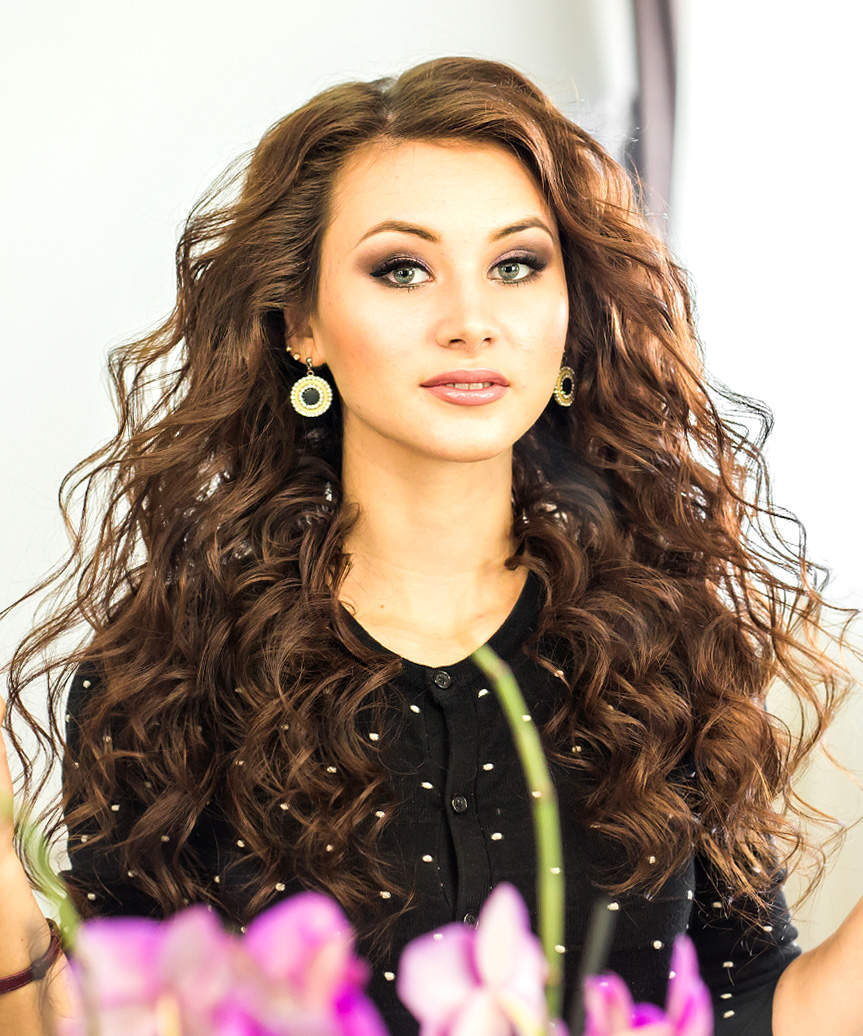
What do you do with thick curly hair that wants to be the center of attention? Let it. This mid-back cut uses long layers to keep the volume from turning into a triangle shape, and the side part breaks up the mass so the curls fall forward instead of out. The dark brown base is solid, no highlights, which lets the texture do all the work. Summer is the season for this cut because high humidity only makes the curls better. Ask your stylist for: mid-back length cut for thick curly hair, dark brown, side part. Apply a curl-defining cream to soaking wet hair, scrunch, and do not touch it until it is fully dry. The result is a statement look that takes about ten minutes of actual effort.
16. Brunette Mid-Back With Face-Framing Layers
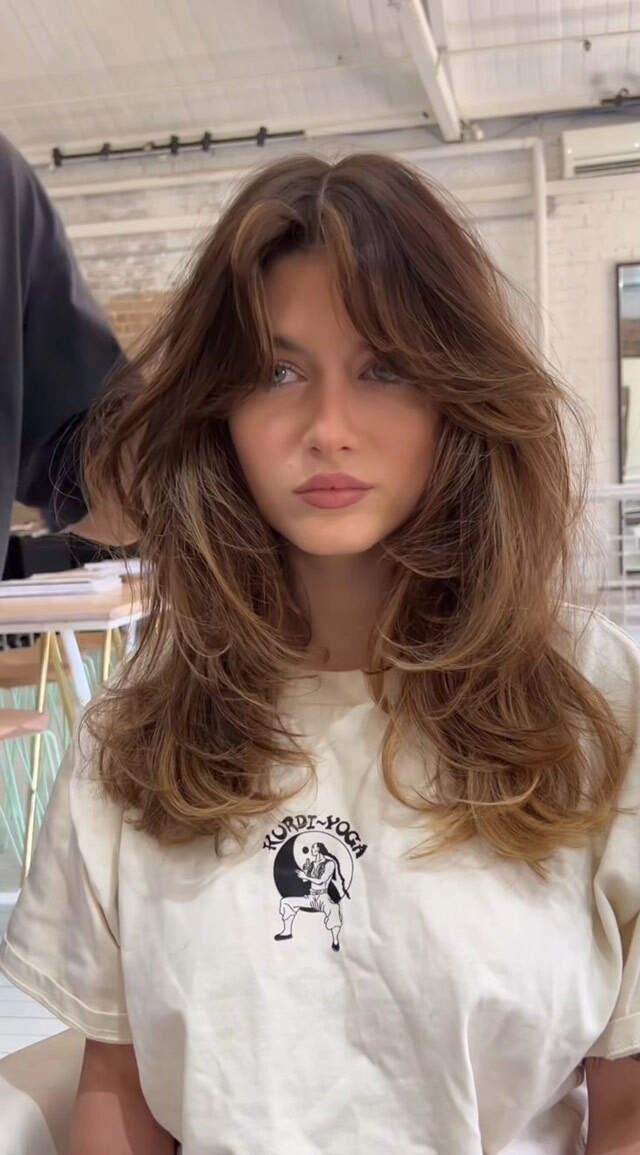
The design starts at the shortest face-framing piece, typically grazing the chin, then each layer gets longer toward the nape. This creates a built-in shape that moves with the hair rather than fighting it. The mid-back length keeps the overall weight, while the balayage highlights pull light through the layers so the cut does the work, not the styling.
This cut suits thick, wavy hair of mid-back length; the face-framing layers soften angular faces. Ask your stylist for: mid-back length with long layers and face-framing pieces. A volumizing mousse at the roots before air-drying gives lift without heat. Expect a trim every 8 to 10 weeks to keep the shape from growing heavy.
17. Dark Brown Mid-Back With Blue Streaks
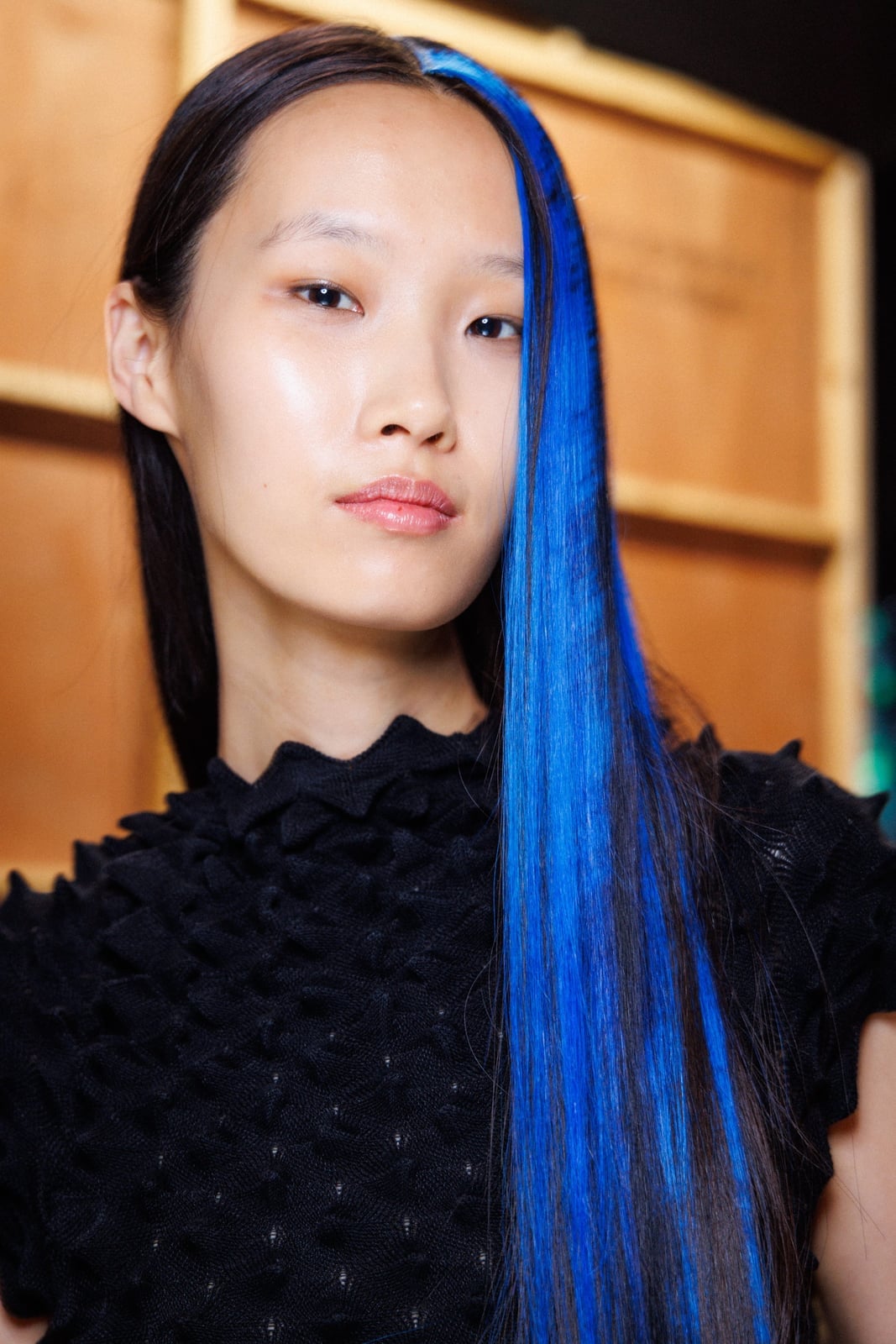
This is not a box dye situation. Vibrant blue on a dark brown base requires pre-lightening to lift the pigment enough for the color to show, and that step alone is where most at-home attempts go wrong. The streaks here are concentrated on one side, which creates a deliberate placement, but achieving that saturation means a bleach and tone service in a salon chair.
Fine, straight hair of mid-back length can carry this look well; the color adds visual density. Ask your colorist for: dark brown base with vibrant blue streaks on one side. A color-safe shampoo and cooler water help the blue last longer. Plan for a toning appointment every 4 to 6 weeks to keep the shade from turning muddy.
18. Dark Brown Mid-Back With Soft Layers
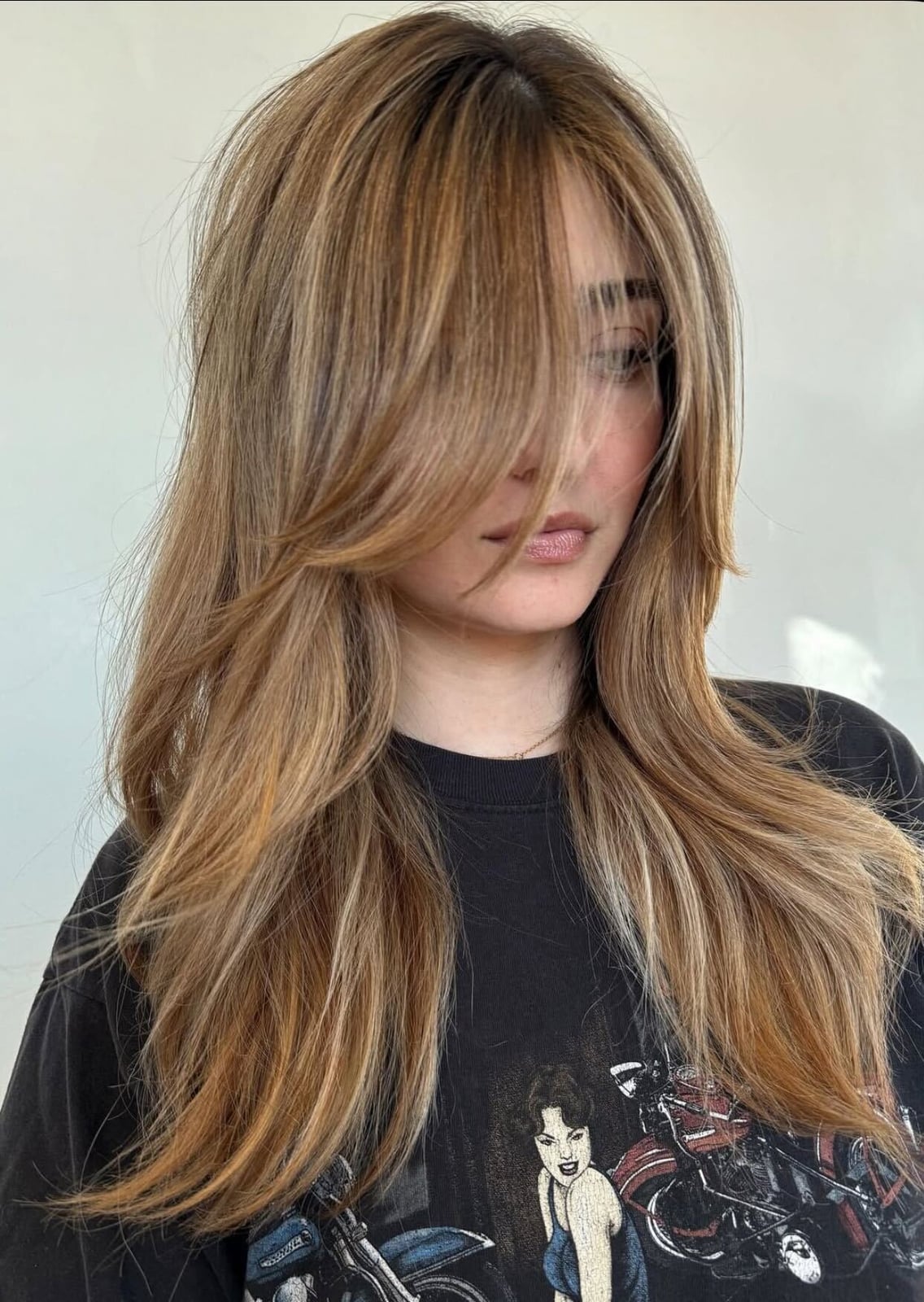
The soft, flowing layers here are cut with a feathering technique that removes bulk without shortening the overall length. The curtain bangs frame the face and blend into those layers, so the whole silhouette feels cohesive. The drawback: on fine hair, these same soft layers can fall flat without a blowout, and the movement you see in the photo takes a round brush and some patience to recreate at home.
19. Dark Brown Mid-Back With Face-Framing Layers, Wavy
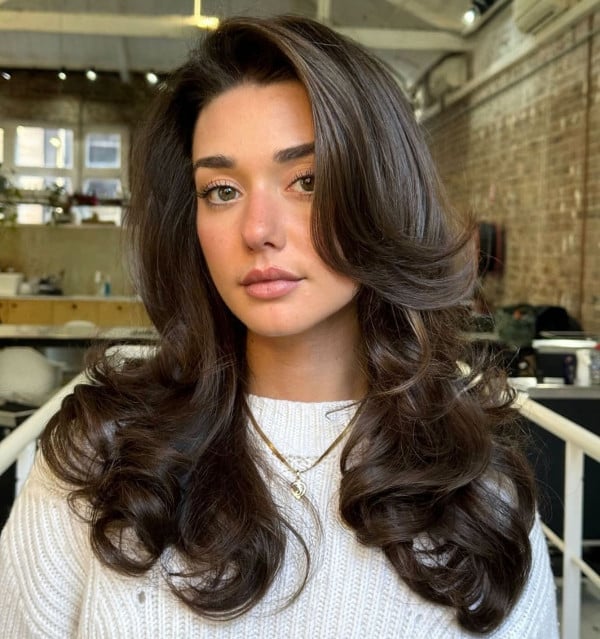
The face-framing layers here are cut to start around the collarbone, which means they catch the wave pattern of thick hair rather than getting swallowed by it. The side parting shifts the weight to one side, so the layers on the heavier side stack and the ones on the lighter side swing free. The lighter brown highlights add dimension without changing the base tone.
This cut works best on thick, wavy hair of mid-back length. Ask your stylist for: mid-back length with long face-framing layers and a side part. A volumizing mousse and a round brush blow-dry give maximum body. Trim every 8 to 10 weeks to maintain the layer placement.
20. Dark Brown Mid-Back With Face-Framing Pieces, Close-Up Take
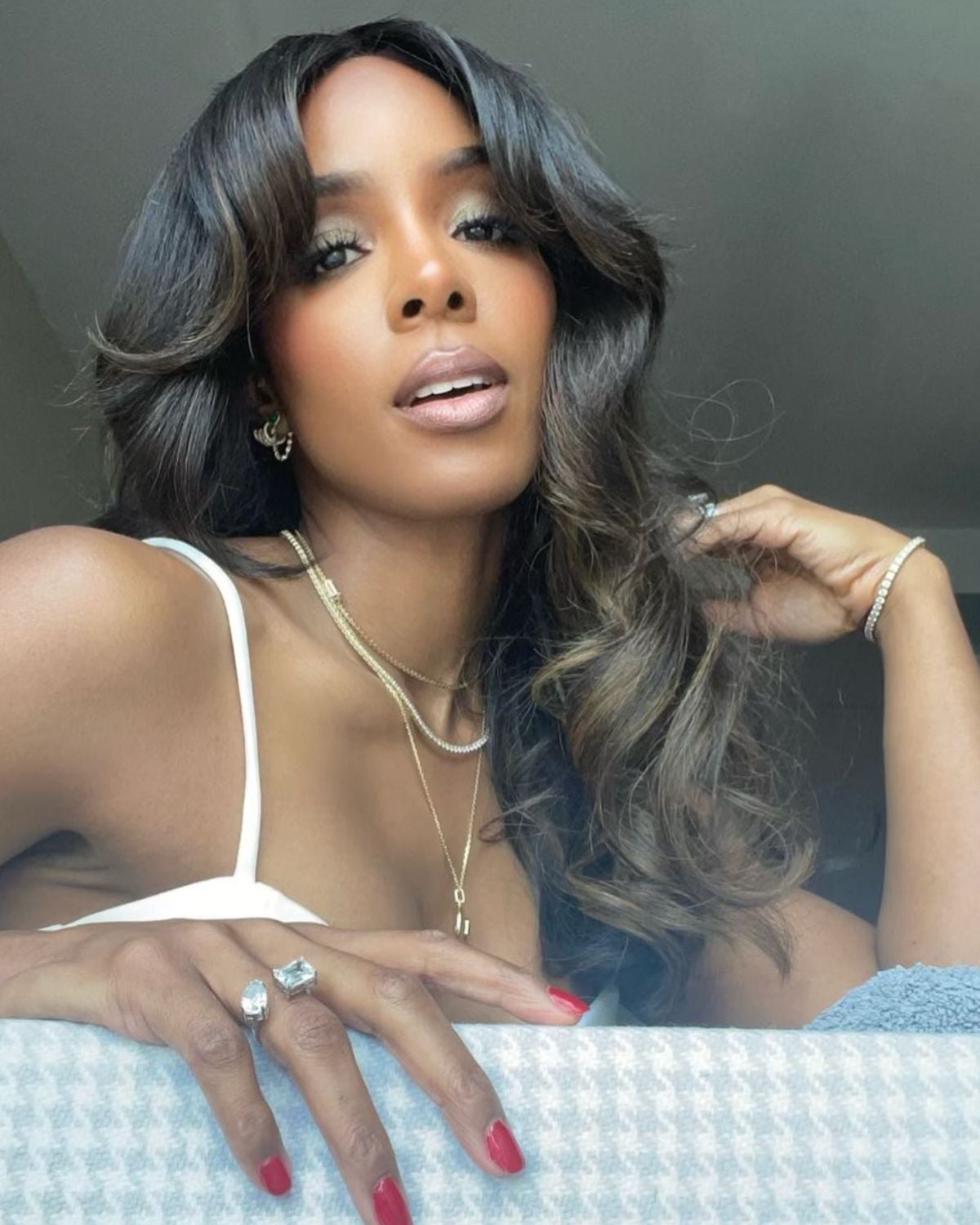
Soft waves that look styled but not stiff start with a layered cut like this one, where the face-framing pieces are cut shorter than the back length. Apply a heat protectant to damp hair, then blow-dry using a round brush, focusing on the face-framing sections first. Wrap sections around a large-barrel curling iron, leaving the ends out for a modern finish.
This cut suits medium-density, wavy hair of mid-back length; the face-framing pieces soften angular faces. Ask your stylist for: mid-back length with long layers and face-framing pieces, side part. A smoothing serum on the ends after styling keeps flyaways in check. Trim every 8 to 10 weeks to keep the layers from growing past the face.
21. Final Thoughts
For fine hair, keep one blunt baseline and skip heavy layers; for thick hair, ask for face-framing pieces and internal layers to shed weight without losing length. Round faces do best with length below the chin and a middle part, while square jawlines soften under layers that start at the cheekbone.
- Trim layers and bangs every six to ten weeks.
- Apply heat protectant before any hot tool.
- Deep condition once a week.
- Tone colored lengths every eight to twelve weeks.
Mastering long hair trends means choosing cuts that honor your hair’s natural texture.

